

Why A Higher Microwave Wattage Isn't Always Better
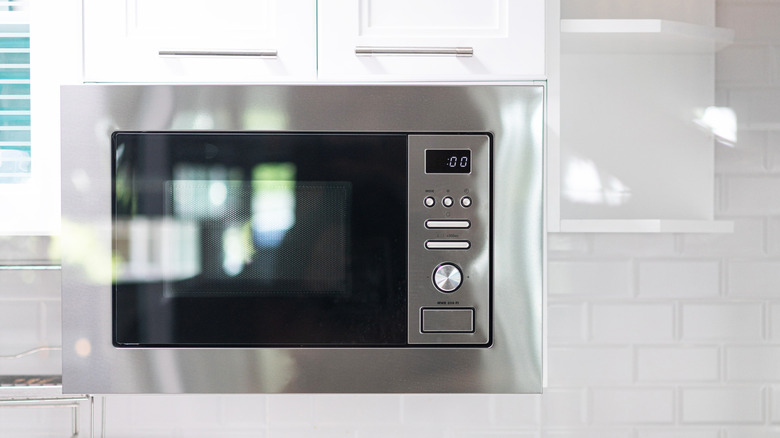
Microwaves have made cooking and heating food more convenient than ever. Think about it: Last night's dinner is ready to eat for lunch in a matter of minutes, and all you had to do was pop a container in, close the door, and set the timer. You can even fry food in your microwave if you have no other options. Larger versions of these appliances tend to have higher wattages, around 800 to 1,000 watts and above, which you might think is the most desirable. But there are instances where it can be better to have a microwave with a lower wattage, in the 600- to 800-watt range, and it all depends on how much you use it and what you use it for.
For example, if you don't find yourself using a microwave all the time, or you only use it to reheat refrigerated leftovers, cook little prepackaged frozen meals, or give your morning coffee an afternoon warm-up, you can definitely get away with a lower-watt appliance. You might even find yourself displeased at how atomically hot, and possibly overcooked, a higher-wattage microwave leaves your food. Also, if you have a small kitchen, unless you really value and will use a big, powerful microwave, it doesn't make sense to buy one that will take up a lot of space you don't have.
What higher-wattage microwaves are best for
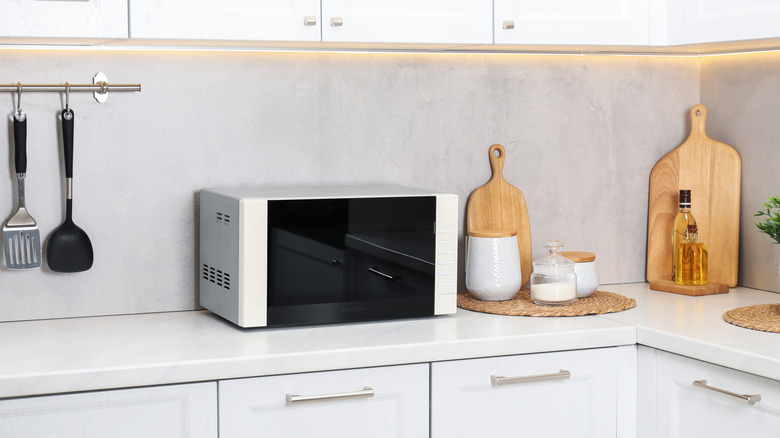
All of this might have you wondering, then, what a higher-wattage microwave is best for, and whether you might actually need one instead of a lower-wattage model. To start with, more wattage in your microwave is typically better for the versatile cooking needs of a family versus a single person or couple who doesn't require much beyond a reheat here and there. It's also better if you defrost a lot, because the more efficient and powerful machines help large batches of food bulk-thaw more quickly when using the proper cycled defrost settings. However, it takes careful monitoring to keep the outer edges from cooking before the center thaws, ensuring the food stays out of the dangerous temperature zone where bacteria can rapidly multiply.
Higher-wattage microwaves are also better for preparing certain quick-cooking meals, such as steamed broccoli, poached fish, or even homemade meatloaf, because they deliver energy rapidly. If you're looking for a multipurpose microwave, too, one with an air fryer function or a built-in broiler, those features also tend to come packaged with a higher-wattage machine. Which brings us to roominess: These more powerful models also tend to be larger, so if whatever you're planning on using it for requires a lot of space — like if you're using it to give you an assist with defrosting a large piece of meat before it goes into your slow cooker — a higher-wattage microwave will be your best bet.