

The Item Most Restaurants Mark Up Over 1000%
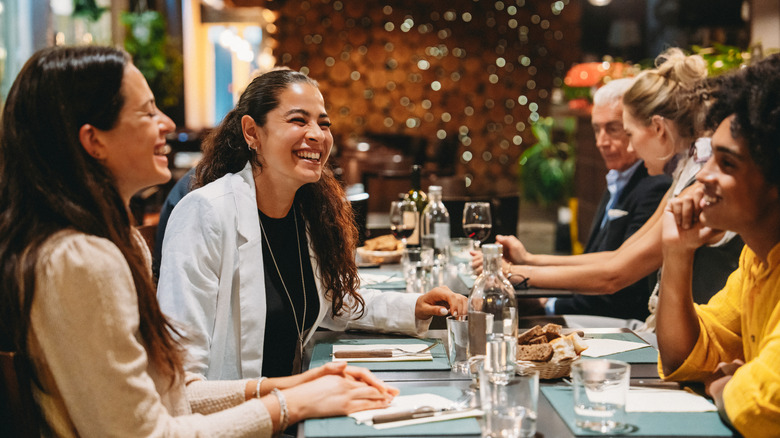
There's no skirting around it: The restaurant industry is a tough one. At a classic full-service eatery, profit margins often land as low as 3%, a figure further strained by food inflation in the 2020s. In the business, the sale of drinks is a far more lucrative avenue than food — alcohol has long been a known moneymaker. However, there is another item that receives an extreme markup, often over 1,000%: soda.
Whether sold packaged or from a fountain, soft drinks present an advantageous moneymaking avenue. A food business can often acquire a bottled drink for under 20 cents, while a fountain beverage often costs a restaurant a mere 15 cents. It's then common practice to sell the soda for around $3 — a price increase more than 10 times the original cost. Admittedly, fountain drink refills are an industry norm. Yet even one or two soda re-ups don't slow down this sales category.
After all, a $2 to $3 soda doesn't strike diners as odd — likely making it the most affordable drink on the menu. Yet, for restaurants, serving the drink presents minimal work, simply requiring them to buy wholesale batches of soda in canned or syrup form. So sure, the markup may sound extreme, but it's all part of the delicate equation of how restaurants actually turn a profit.
The steep reality of restaurant beverage markups
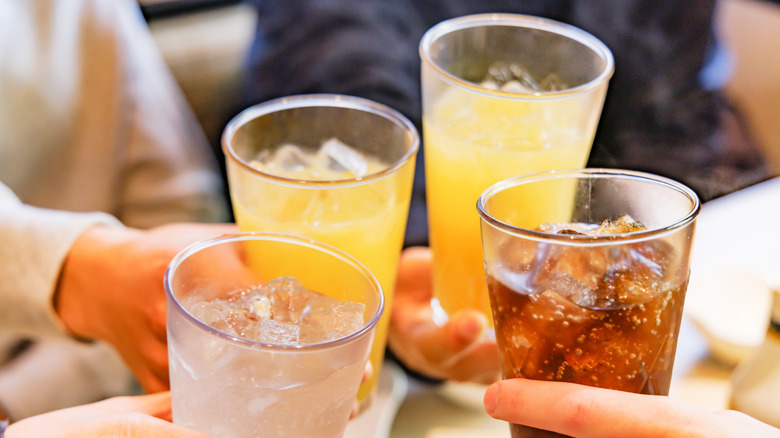
Soda is a popular restaurant order, but it's not the only drink that comes with such a steep markup. The sale of tea follows a similar economic model. A single tea bag costs anywhere from 30 cents to a dollar, then can be sold for $3 to $4, potentially landing at an even higher markup than soda.
Due to coffee price increases, its caffeinated cousin isn't quite as profitable, but it nevertheless offers moneymaking potential.A typical cup of joe involves more upfront cost, including the beans themselves, milk, and optional syrups. Not to mention, making coffee entails more skill than preparing other nonalcoholic beverage options, which increases labor costs. Still, on average, restaurants estimate a cup of coffee costs them $1 to $1.50 and can be sold for as much as $5, meaning the drink still edges out food items.
Finally, there's alcohol: Diners often want to pair wine with pasta, meats, and other fare. Unlike soft drinks and tea, alcohol comes with a higher initial cost, aside from wholesale beer prices. However, the ceiling for prices is much higher. Wine by the glass, specifically, presents an excellent markup category, often selling for around four times its initial cost. Bottles of wine aren't too shabby either — hovering around three times their wholesale price — with packaged beer hitting a similar proportion. Conveniently, serving alcohol entails minimal labor, although it does require more complex curation. Still, among all the options, it's soda that carries the steepest markup.