

Charcoal Vs Gas Grill: How The Cooking Methods Actually Differ

Few forms of cooking offer a visceral appeal quite like grilling. The magic of food meets fire traces back to our earliest days; no surprise there are now abundant vessels for the task. In the U.S., the two common forms are gas and charcoal grills, with staunch supporters on each side.
Let's be clear: Both grill types can cook delicious food. You can make some fabulous-tasting seafood on gas, while a charcoal-grilled steak warrants its reputation. Both cooking methods come with advantages and downsides. Note the distinction between the two fuel sources, and you can tailor the grill per dish and circumstance.
A charcoal grill is cheaper and simpler, but it relies on more complex technique, with the fire constructed by hand. Meanwhile, gas employs a more pragmatic technology — small burners connected to a fuel canister — thereby easing cooking. Resultant flavors vary: Charcoal lends foods an extra-smoky edge, while gas makes dishes taste just lightly smoldered. With charcoal, you can slow-cook over embers — patiently building flavors — while gas swiftly sizzles. Although both constitute grilling, the methods stand apart, lighting a debate that burns bright.
A laborious charcoal grill produces aromatic food
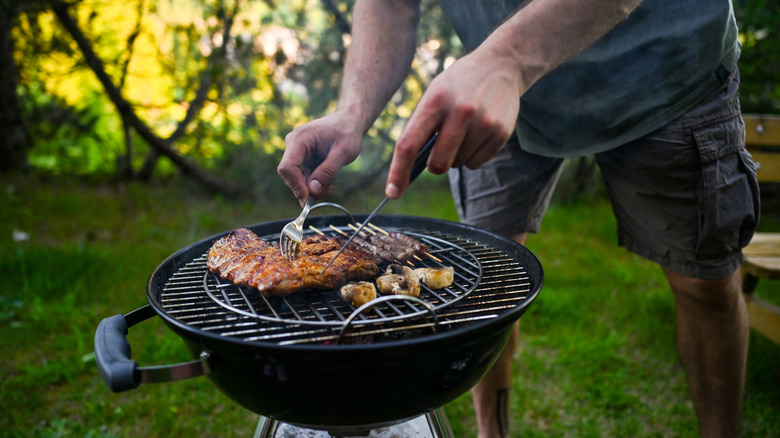
Cooking with charcoal requires effort. To set the grill alight, you'll need to carefully layer the coals, preferably using a chimney for ease. You can make a cylinder out of heavy-duty foil — just make sure you poke some holes in it first. With some patience and fanning, you'll create hot embers — which then need to be arranged per designated preparation. Both the position and quantity of coals dictate heat application; all the while, grill vents control circulation, which in turn determines the temperature (more open means more heat). Unlike a gas grill, which simply involves ignition and patience, the charcoal experience is far more hands-on. Not to mention, coals are a finicky heat source; flare-ups are common, and burning can be inconsistent.
Know how to tap into the elements, though, and a charcoal grill offers a wider range of uses. With proper coal orientation, you use the grill style to quickly sear, slowly roast, or a cooking tempo in between – smoking foods is impossible on gas. Even while grilling, charcoal often lends food a more complex flavor, with drippings on coals turning to aromatic smoke, thereby seasoning foods.
The grill type yields a distinct flavor that draws many chefs to the style; it's Bobby Flay's answer to the charcoal versus gas grill debate. Dishes like slow-cooked meats, roasted vegetables, or even pizza take on an added dimension. Sure, there's know-how involved, but the technique pays off with versatility.
Gas grills are intuitive and consistent
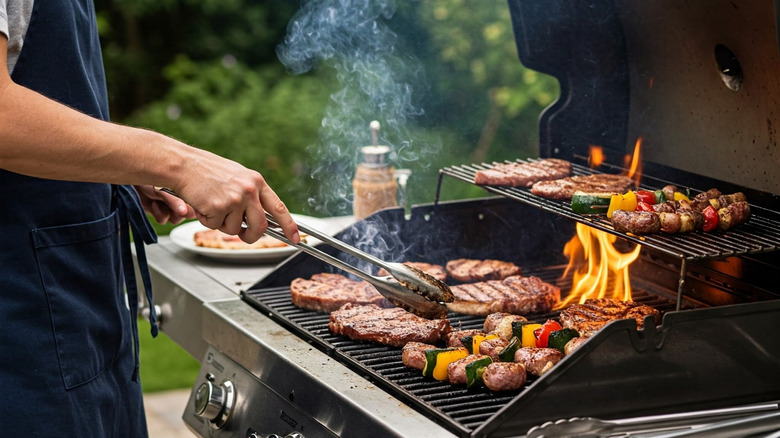
There are no secrets to a gas grill. Cooking on this vessel is as easy as a stove: Flick on the ignition, pick a heat level, and let it rip. Charcoal burns fast: as little as 45 minutes exposed to oxygen, and you're done. A gas grill lets you quickly get to speed, then cook with a sustained, consistent heat, all while adjusting the temperature in the process. So long as the gas canister is full, there's no fear of the fire going out — a convenient option for extended cookouts.
A gas grill's immediacy is its greatest strength. Want to make a steak, a grilled vegetable salad, or chicken for the week with minimal fuss? You can get right to cooking. The reliable heat source throws no curveballs, and you'll still get aesthetic sear marks plus a touch of smoke. For some foods, charcoal is too intense: Sensitive shellfish, fruit (like peaches or pineapple), and grilled desserts benefit from the added temperature control. Not to mention cleaning a gas grill entails less fuss, too.
The convenience does come with limitations. The temperature range is more narrow than charcoal – there's no potential for hours-long slow-cooking, nor cranking to uber-high temperatures. Gas grills typically come more bulky, with much less potential for portability. And fans of charcoal will point to the missing smoky je ne sais quoi that makes grilling so special. Still, the accessibility of gas grills is easy to get behind.