

Does Oat Water Work As A Fertilizer For Your Vegetable Garden?
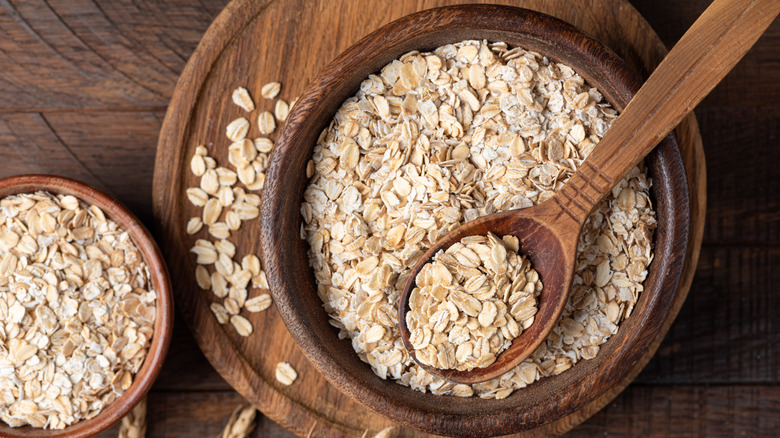
Social media allows small gardening experts to share their unique tricks with the world, spreading techniques that may otherwise receive little attention. A recent fad of using oat water as fertilizer has taken some sites by storm, but, unfortunately, it's not quite as effective as some creators may lead you to believe.
The claim is based on oatmeal's particularly high phosphorus and potassium content. You can find these building blocks in most any store-bought plant food because they cultivate larger fruit and regulate water and sugar distribution, respectively. Some creators claim that soaking oatmeal in water for at least an hour draws out these nutrients to create a potent, DIY fertilizer, but, in reality, you're getting trace amounts at best.
It likely started thanks to the time-tested practice of using eggshell tea to fertilize your garden, where soaking them draws out huge amounts of calcium carbonate to strengthen plant cell walls. However, not only is this trick more effective, but it also makes great use of food waste, whereas oat water just causes you to waste oats you could have eaten for breakfast. Keep in mind that for nutrients to become available to plants, they must undergo some degree of microbial decay, where tiny organisms essentially "refine" them into something usable.
How to use oats in your garden instead
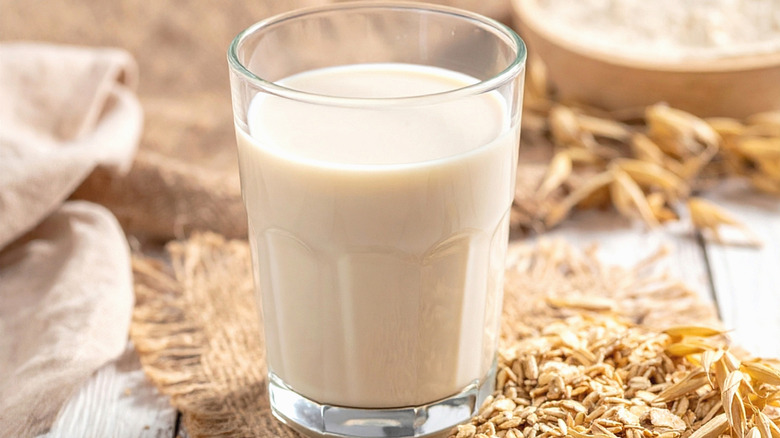
While oat water may just be a fad, oats themselves can find some quite useful niches in your vegetable garden. Whether you compost old batches or even grow some yourself as a cover crop, this versatile grain became a staple in many cultures thanks to its versatility and utility.
Old, stale oats you forgot about under the sink are one of the best food scraps you shouldn't throw out. Since they're a grain, they break down in compost piles quite easily, and their small size makes it easy to disperse them evenly through even the most infrequently mixed pile. However, just keep in mind that they're also a goldmine food source for pests like squirrels and rats. Rather than simply pouring them on top of your pile, be sure to immediately mix them in to avoid critters rummaging through your compost.
Outside of the summer, cover crops can be a serious boon to your garden by controlling weeds, adding back nutrients, and maintaining soil texture. If you don't plan on planting any vegetables this fall, consider sowing some oats to not only maintain your garden but also pack your pantry full of a homegrown staple. Oats grow incredibly quickly and with very little care, making them one of the best off-season crops you could hope for. Once they die off when the temperatures stay below 20 degrees Fahrenheit, you end up with a fantastic mulch you can mix into your soil before next summer.