

How To Make The Freshest Coffee With The 15-15-15 Rule
If you're the type of person who needs a cup (or two) of java to start your day, you want to make sure you're getting the most out of your coffee. While standard roasted beans are the norm, there are also lesser-used green coffee beans, which are raw and unroasted. Despite both options ultimately producing the same end product, they have very different shelf lives. Fortunately, the 15-15-15 rule is a foolproof trick for remembering how long they'll last: 15 months for green beans, 15 days for roasted beans, and 15 minutes for coffee grounds.
There are several factors that affect the freshness of coffee, but two of the biggest are oxygen exposure and the gradual loss of carbon dioxide. When coffee comes into contact with air, oxygen reacts with the bean's natural oils and aromatic compounds. Over time, this causes the volatile flavors responsible for the coffee's aroma and tasting notes to degrade. The speed of this chemical reaction increases with the coffee's surface area, which is why the freshness of ground coffee is measured in mere minutes.
Carbon dioxide also plays an important role. After roasting, beans slowly release trapped carbon dioxide in a process known as degassing. While some degassing is needed, excessive carbon dioxide loss over time can leave coffee tasting flatter. The reason this isn't an issue for green beans is because they haven't been roasted — the process that generates carbon dioxide — allowing them to remain stable for far longer, provided, of course, that they're stored properly.
The best ways to store coffee beans to extend their shelf life
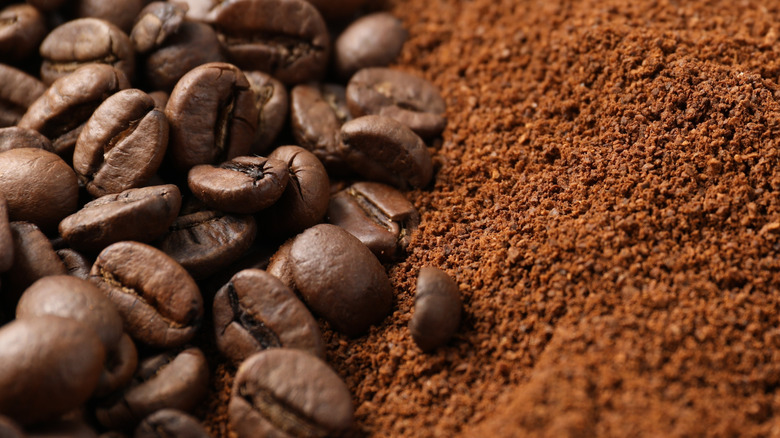
The 15-15-15 rule is great for keeping track of how long your coffee beans have before they naturally start to lose their freshness, but how you store your beans can accelerate or slow down their decline. Exposing your beans or grounds to excessive heat is one of the worst things you can do. It all comes down to science: Heat increases the kinetic energy of the coffee's molecules, causing them to move faster. This boosts the rate at which oxygen reacts with the beans' volatile compounds, leading to the rapid breakdown of flavor and freshness.
Another everyday kitchen factor that can speed up oxidation is light. UV rays cause photo-oxidation to occur, a light-driven process that also causes flavor-boosting compounds and oils to degrade rapidly. Don't worry — you won't need to splurge on fancy coffee canisters to protect your beans; any cool, dark place will get the job done nicely.
You've also got to watch out for humidity. While it won't trigger oxidation as rapidly as heat or oxygen, coffee beans are highly hygroscopic (a fancy way of saying they act like sponges). This means they naturally absorb residual moisture in the air, causing their concentrated flavor to become diluted. For coffee grounds, latent moisture can also cause clumping. Similarly, because coffee is so absorbent, it can pick up lingering odors. That's why we recommend never storing your beans or grounds in the refrigerator, as you don't want pungent aromas from garlic or onions making an unexpected appearance in your brew.