

Why Restaurants In Italy Temporarily Close In The Afternoon
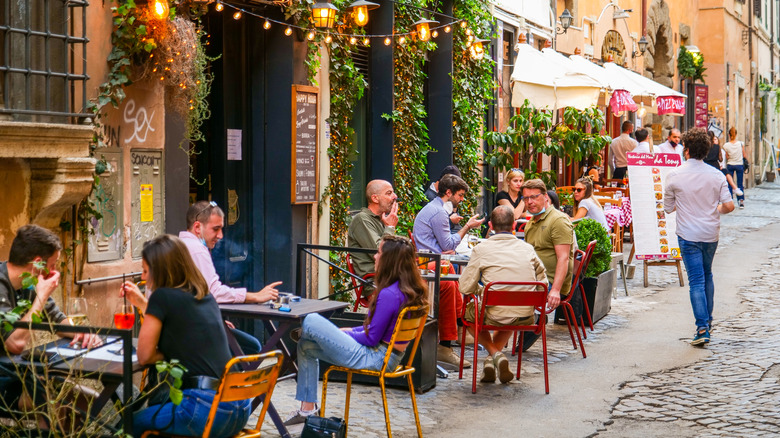
There are few better places to eat in the world than Italy. Beyond the country's iconic pizza, pasta, and world-class wine, Italy is also known for its deeply rooted food traditions and dining etiquette. In fact, it's one of the places where you'll find Michelin-starred restaurants tucked away in villages and countryside towns. But one Italian custom that often catches travelers off guard is the way many restaurants shut their doors for several hours in the afternoon.
Italians often talk about "la dolce far niente" — the sweetness of doing nothing — and few traditions embody that idea better than "il riposo," or "the rest." Typically taking place between 12 p.m. and 3 p.m., the practice originally gave workers a chance to escape the intense Mediterranean afternoon heat. Over time, it evolved into a broader cultural ritual centered around slowing down to spend time with family and enjoying a leisurely lunch away from work. Even today, many trattorias and businesses still pause operations during these hours.
In bustling cities like Rome, Milan, and Florence, the tradition isn't observed quite as strictly. But in smaller towns and villages, don't be surprised to find streets empty and restaurant shutters pulled down for the afternoon. A similar custom exists in Spain with the famous siesta, the midday break centered around rest and escaping the hottest part of the day. Despite restaurants closing for part of the afternoon, lunch remains one of the most important meals in Italian culture. Known as "la pausa pranzo," the lunch break is often a slow, multi-course affair meant to be enjoyed over the span of an hour or more.
How to get the most out of Italy's food scene
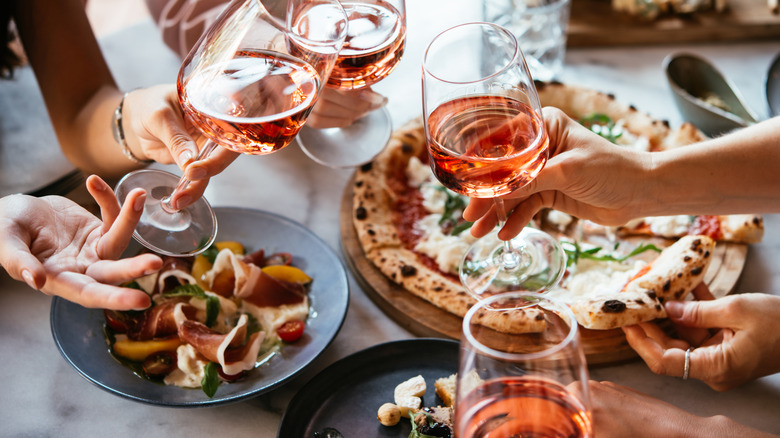
There are countless food rules in Italy, many of them varying from region to region, and that's largely because food is woven into the country's cultural identity rather than treated as simple sustenance. Meals are deeply tied to family, celebrations, mourning, and daily life — just take a peek at these 100 Italian food and drink words and phrases. Because these customs are so ingrained, locals can sometimes be protective of them. Tourists have famously returned home with tales of Italians giving them serious side-eye for ordering cappuccinos after lunch or requesting cheese to be sprinkled on top of their spaghetti alle vongole — spaghetti with clams.
One thing Italians place huge importance on is seasonality. Across Italy, restaurant menus often shift throughout the year to reflect what produce is at its peak. Tomatoes shine during the summer months; artichokes are especially prized in winter; fresh peas and fava beans arrive in spring; squash and mushrooms dominate many fall dishes. In traditional Italian cooking, ingredients are meant to be enjoyed when they're naturally at their best. That's why one of the easiest ways to get the most out of Italy's food scene is to order dishes that match the season.
While tourist-heavy restaurants may serve classics like lasagna or caprese salad year-round, many traditional Italian kitchens approach these dishes very differently. Rich, baked pasta dishes like lasagna are typically associated with colder months, while caprese salad, with its ripe summer tomatoes and basil, is considered a quintessential summer dish when tomatoes are at their sweetest.