

How Long Refrigerators Typically Last
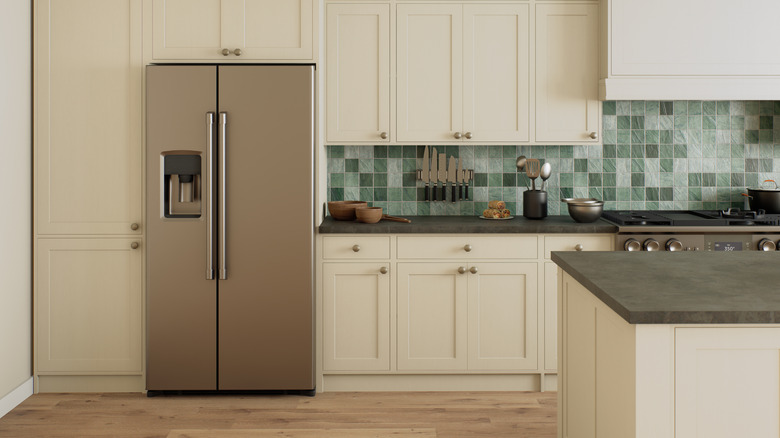
Starting more than a hundred years ago, people used ice boxes to keep their perishables cold. While the engineering behind them ensured they could last pretty much forever (they were basically cupboards chilled with huge blocks of ice), they eventually went out of fashion as new technology took over: refrigerators. Mid-century fridges were actually smarter than today's versions, and they used to last decades longer than modern models. Whereas people once had it good, with these large appliances lasting up to 50 years, today's versions typically only operate at peak condition for an average of 12 years (per U.S. Department of Energy).
Because this is just the average, some obviously work for fewer years, like 10 or so, while others might chug along for 18 to 20. Unfortunately, if you're in the market for a new refrigerator and you're on a budget, the more expensive models do tend to have better longevity because you're paying for higher-quality materials and stronger design principles.
If you can't afford a super-premium refrigerator, but you want to make the most of what you've got, you can help your fridge attain a longer lifespan by treating it well. No, that doesn't mean buying it flowers and high-quality chocolates, but rather keeping it clean, both inside and out, and especially dusting the coils in the back twice a year. Ensure the door seal is airtight, and keep the fridge at the right temperature — no lower than 35 degrees Fahrenheit and no higher than 38. Finally, don't overload the fridge, but don't let it sit too empty, either.
Signs your fridge may need to be replaced
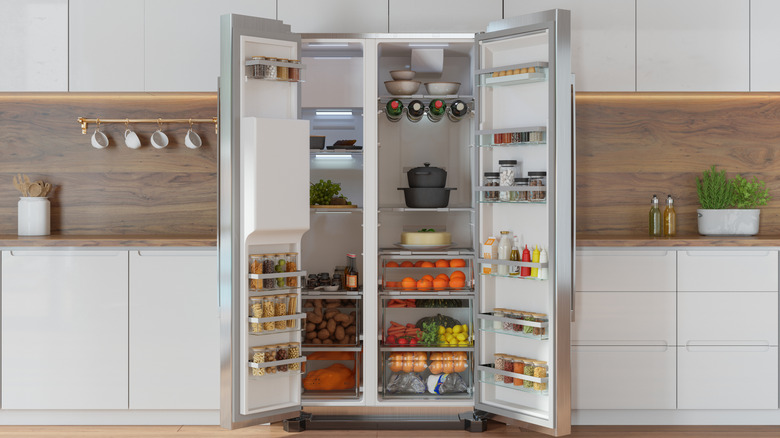
When it's time to replace your refrigerator, it will let you know (despite how much you might wish it wouldn't). One of the first signs that this huge — and yes, expensive — appliance is on the outs is excessive heat coming from the back. A little warmth is normal, but if you step near it and feel a blast of hot air, it's likely the motor working overtime. You might also notice condensation clinging to the outside, which signals that something isn't working correctly.
If you open your fridge and find food going bad much sooner than it typically does, that's also an indicator that the appliance is breaking down. Check to see if you have the thermostat set within the temperature range given above, and if you do, but your perishables are still spoiling, you may need to think about a replacement. Finally, even if your refrigerator seems to be working well, if it's approaching the 12-year mark, it's important to stay vigilant and start looking for any of these symptoms so you can act quickly and either repair or replace it before you end up wasting an entire fridge's worth of food.