

14 Mistakes You're Making With A Dutch Oven
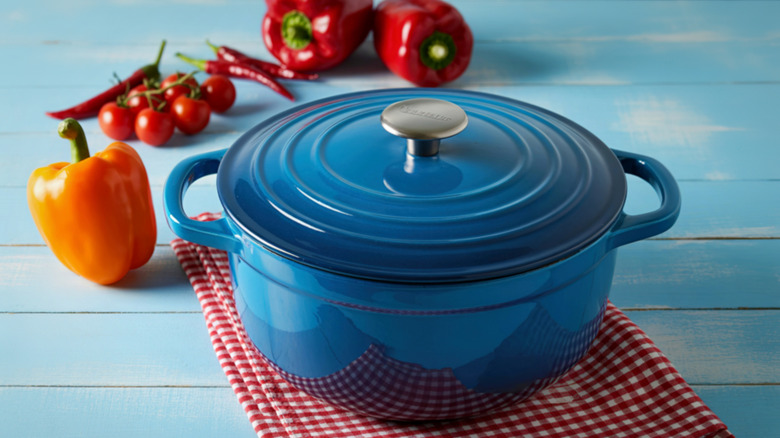
Ovens pull a lot of weight in the kitchen. But you can't rely on them for everything. Some foods don't do well in the harsh, dry desert climate of an oven. Tough cuts of meat can end up on the chewy side, bread can crust long before it gets a proper rise, and long-cooking foods can dry out before they've had time to get tender. Once you realize that, you start daydreaming about a different kind of oven: the Dutch kind. A Dutch oven is basically heaven for foods that need steady heat and moisture; think pot roasts, briskets, wine braises, soups, and even sourdough-style boules.
But scrounging up enough cash to buy a Dutch oven is not enough to make your ossobuco and coq au vin fantasies come true. Unlike your standard oven, a Dutch oven doesn't come with temperature knobs or presets. Getting the most out of it is really up to you and your imagination. And let's face it: Things can get a scary without emotional support buttons. It's very possible for that Dutch oven you bought to end up as bulky cookware languishing in the depths of your kitchen.
If that's the fate that befell yours, worry not. We've rounded up some of the most common mistakes people make with Dutch ovens to get you back on track.
1. Not seasoning your bare cast-iron Dutch oven before use
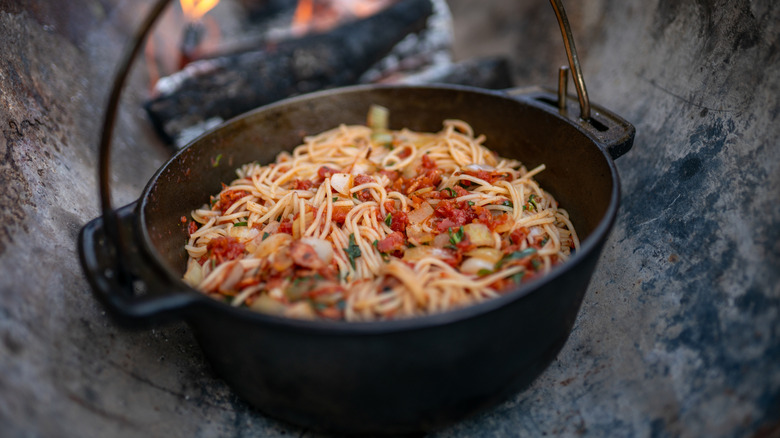
A Dutch oven is easily on the pricier side of cookware, but it doesn't have to be. If your wallet is whimpering, you can still score one for around $60 on the lower side. The only catch is that, at that price, it's more likely to come bare — no enamel coating, and sometimes no seasoning, either. That means it's on you to get the pot ready to use.
You can't just yank it out of the box, fling it onto an open flame, and hope for the best. Cooking with an unseasoned cast-iron Dutch oven can be a slog. Food's more likely to cling to the bottom and sides, and considering how stubbornly they hold heat, it's very possible for half your dinner to end up becoming a stuck-on mess. An unseasoned pot is also more vulnerable to rust, especially if it's stored anywhere damp.
The fix is simple. Manufacturers recommend giving it a thorough wash, drying it completely, rubbing it with the thinnest possible coat of oil, then baking it upside down in an oven at 350 F for about an hour. As for the type of oil, something bland and built for high heat like flaxseed, sunflower, canola, or even regular vegetable oil should work just fine.
2. Preheating and cooking on high heat
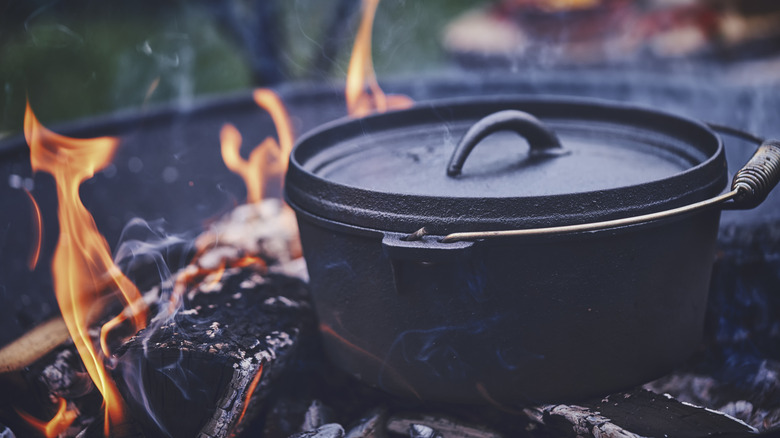
Bringing a Dutch oven to temperature can be a drag. Because it takes so long to heat up, it can seem like an ingenious cast iron cooking hack to crank the temperature to get things moving faster. But this isn't a nifty shortcut. Because cast iron is so great at retaining heat, you can't really backtrack once the pot is overheated. At that point, you've completely blown past the gentle, steady heat a Dutch oven is meant to provide, which all but guarantees chewy roasts, squat loaves, and flat-tasting braises.
It's also pretty awful for the pot itself. Hitting an overheated pot with cold water, cold stock, or frozen food can create a drastic temperature swing, which can weaken the enamel coating and/or cause cracking and chipping. Bare cast-iron Dutch ovens can also get pretty finicky once they overheat. Seasoning gives you an easier-release surface, sure, but it doesn't make the pot into a nonstick.
If the pot gets too hot, food can still grab onto the surface before it has had time to brown properly and release on its own. That's especially brutal for long-cooked dishes that need you to build flavor in stages; think beef stew, coq au vin, or any braise that starts with a good sear. Instead of a beautifully caramelized layer of fond, you can end up with blackened bits that give your dish a harsh, scorched taste.
3. Cooking the wrong foods
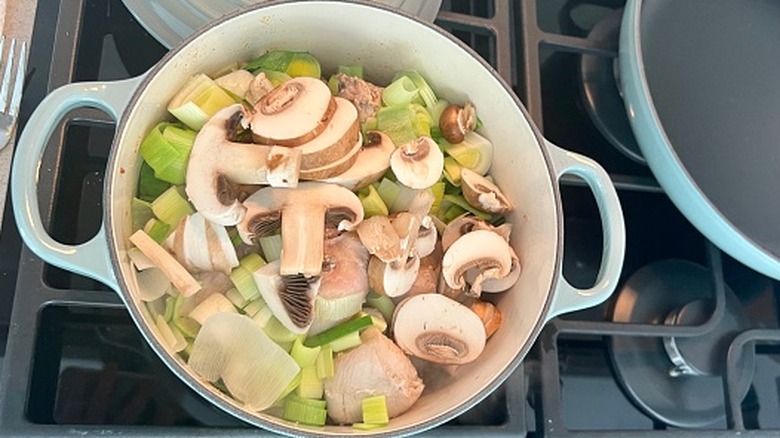
A Dutch oven can pull a lot of weight in your kitchen; perhaps even more than your actual oven, if you're a sucker for long-cooked dishes. But it doesn't have infinite jurisdiction. Delicate foods like fish, eggs, or crepes should stay far away from both enamel-coated and bare cast-iron Dutch ovens. Because these bad boys tend to heat up pretty aggressively, there's no room for the kind of finesse those foods need to pan out even remotely palatable.
You'll also have a hard time getting a good batch of roasted vegetables or crispy-skinned chicken from a Dutch oven. These kinds of foods thrive when blasted with dry heat, and while Dutch ovens are great at retaining heat, they also trap plenty of moisture; not exactly ideal when you're chasing crunch.
Bare cast-iron pots also don't play well with acidic foods like tomato sauce, vinegar-heavy stews, and wine braises. Acid can gnaw away at the seasoning and pull iron into your food, giving it tinny twang. You don't have to avoid them completely, just don't leave acids in there for more than 45 minutes and ensure you're using a well-seasoned Dutch oven.
4. Letting it stay dirty
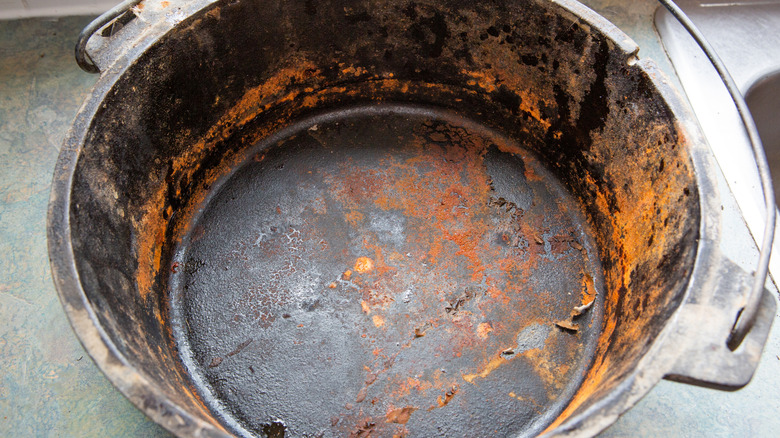
A Dutch oven is arguably the most resilient cookware you'll ever own, but don't confuse sturdy with indestructible. Like any piece of cookware, it still needs regular care if you want it to stick around.
Bare cast iron Dutch ovens get especially piqued when left to fend for themselves. Neglect can wear away at the seasoning, exposing the cast iron to moisture. That inevitably leads to rust. Neglect is also pretty brutal on performance. Without a proper coating of seasoning, food is likely to stick onto the pot or burn. And considering how much elbow grease and baking soda (which does miracles on a Dutch oven) it takes to clean a burnt Dutch oven, that's not territory you want to venture into.
Thoughtless cleaning won't help, either. While bare cast-iron Dutch ovens are pretty amenable to a thorough scrub, that kind of aggressive cleaning is completely off the table for the enamel-coated guys. These need a gentler touch: Soft sponges, dish soap, and warm water are your friends. Steer clear of scouring pads, metal brushes, and oven cleaners, which can damage the enamel and wear down performance. Flinging a Dutch oven in the dishwasher may be technically possible, but keep it to a minimum. Dishwasher detergents can chip away at the pot's finish over time, cutting down its longevity.
5. Preheating an empty pot
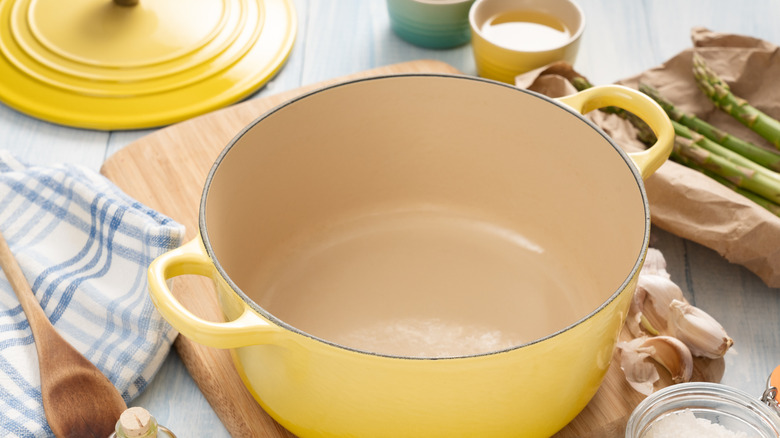
Dutch ovens might have almost all the trappings of regular cookware, but you can't simply carry over the techniques you use with nimble cookware like skillets. Light-duty cookware might benefit from — or even prefer — being preheated empty, but a Dutch oven abhors it. The stovetop is especially risky because heat is concentrated at the bottom instead of enveloping the pot completely. Preheat it empty, and the base can ramp up faster than the walls, creating stress throughout the pot. There's serious potential for damage, especially with enamel-coated versions.
This isn't an unbreakable rule. If you're trying to imitate the crust and crunch of artisanal bread, for instance, you may need to preheat the pot empty so that when the dough hits the hot surface, it kicks up enough steam to encourage oven spring and keep the crust from setting too early. Once the lid comes off, the loaf can brown more evenly and crisp up nicely under dry heat. But even then, manufacturers recommend doing this kind of preheating in the oven so that the heat envelops the pot evenly instead of pooling at the base.
6. Choosing a burner that's too small or too big
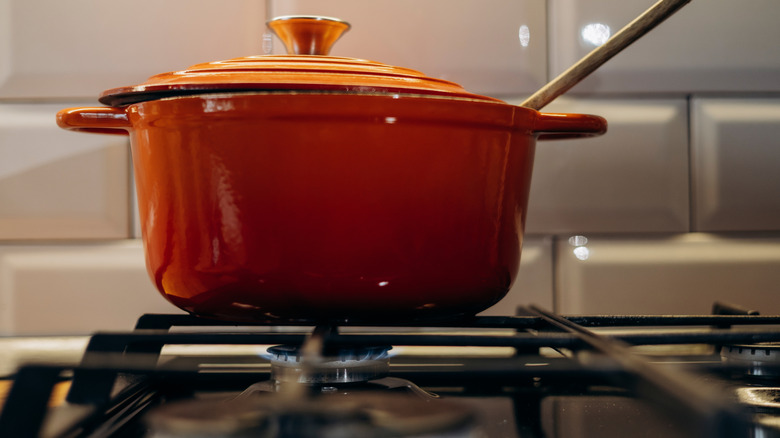
You've got your pick of options when shopping for Dutch ovens; unless, like Ina Garten, you've already pledged lifelong loyalty to Le Creuset #26. If you're still open to options, the instinct is to go for something with a hefty quart capacity. More room equals bigger braises, right? But there's a lot more to consider before you crown a favorite. The big one is base diameter. A 7-quart Dutch oven might seem dreamy, but if the base is wider than your biggest burner, you're likely to end up with food that's scorched in the middle, yet almost completely raw at the edges.
Don't stray too far in the opposite direction, though. If your burner is much larger than the base, flames can lick up the sides, creating the kind of harsh, unruly heat that completely robs you of the control you need to sear, sauté, and simmer properly. That's especially brutal for long-cooked dishes, where uneven browning and scorching can completely distort the final flavor profile. If you're working with a standard stovetop, the best bet is a 5- to 6-quart round Dutch oven: roomy enough for a respectable braise, but not so massive that it overwhelms your burner.
7. Not turning the heat down once the oven is hot
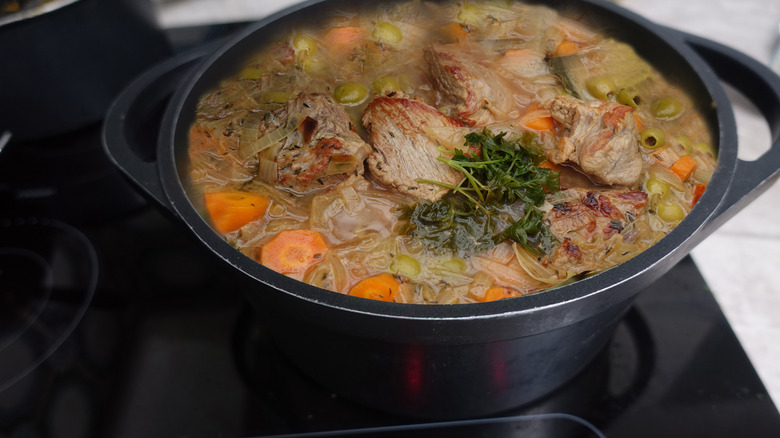
Dutch ovens are pretty forgiving cookware; you can take your sweet time building a dish without the kind of rapid-fire reflexes you'd need for a skillet or wok. But you still have to meet them halfway if you want to enjoy that slow, leisurely pace of cooking they allow. This starts with keeping a tight grip on the burner. Preheating should, of course, happen over gentle heat, but once the pot has perked up to temperature, don't let it linger there too long.
Cast iron tends to hold on to heat pretty aggressively, so cranking the burner for excessive time can send your Dutch oven into molten-lava territory and leave you with very little room to course-correct. That's especially brutal on Dutch oven darlings like coq au vin, chili, and pot roast. High heat can reduce sauces too harshly, scorch spices, tighten meat instead of tenderizing it, and singe the bottom before the middle and top have had time to catch up.
8. Crowding the pot
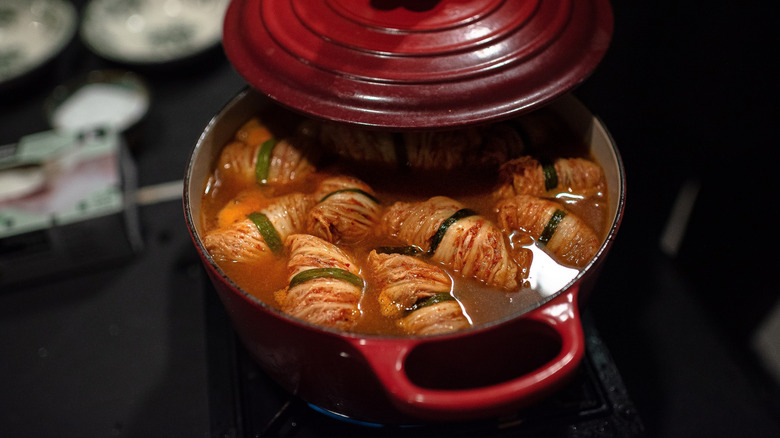
A Dutch oven has plenty of real estate, so it might feel like a stroke of genius to dump in all your beef cubes or veggies in one go. The whole appeal is one-pot cooking, after all. But while that may seem efficient, a crowded pot doesn't let your Dutch oven shine.
For one, you won't get the best results when searing meat. That gorgeous golden-brown color is the work of the Maillard reaction, a process that can't get on its feet while moisture is still hanging around. If you pack your Dutch oven wall to wall, moisture has nowhere to escape, and your food will end up simmering in its own juices instead of browning.
Once the browning stage goes awry, there's really not much you can do to salvage the dish. It weakens the fond; those deeply caramelized bits at the bottom that form after a good sear. And considering those little browned bits carry a lot of the dish's depth, the finished stew, braise, or chili can end up on the flat side. To get around this, think about your pot's surface area before dumping everything in. Searing only happens on the floor of the pot, so every piece needs contact with that hot real estate. You don't have to leave a lot of elbow room, but you do want visible gaps so moisture has somewhere to escape.
9. Opening the lid too often
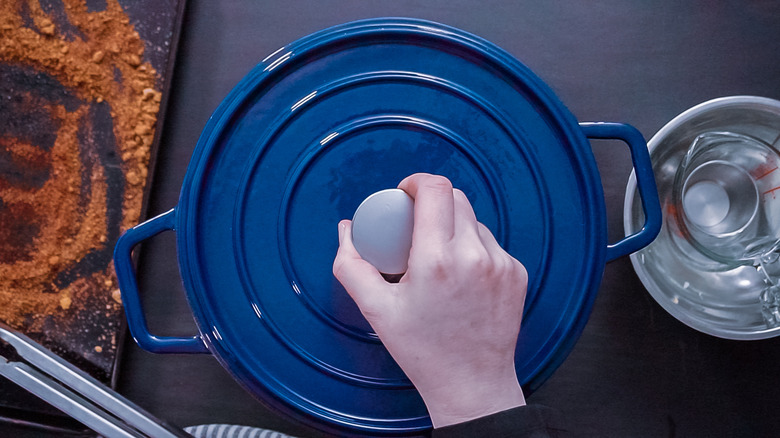
So you've spent hours sautéing, blooming spices, and deglazing. You built flavor brick by brick, only to arrive at the most emotionally devastating step: leaving the whole ensemble alone. It can be jarring, especially because Dutch ovens don't come with a glass door you can anxiously peek through. But rough as it may be, you've got to keep your hands off that lid. Lifting it too often dumps out heat and moisture, derailing that self-basting cycle your food needs to get nice and tender.
Of course, just like opening the standard oven door, opening the lid is not always frowned upon. If you need to check for doneness, stir, or add ingredients in stages, you absolutely get a free pass. It's also useful — even necessary — when you need to rescue, say, a pot roast that's looking a little too watery. Cracking the lid or removing it entirely lets excess moisture escape and helps the sauce reduce into something richer. And for bread, it's practically mandatory. The lid comes off near the end so dry heat can swoop in, brown the loaf, and crisp up the crust.
10. Cooling the pot too quickly after use
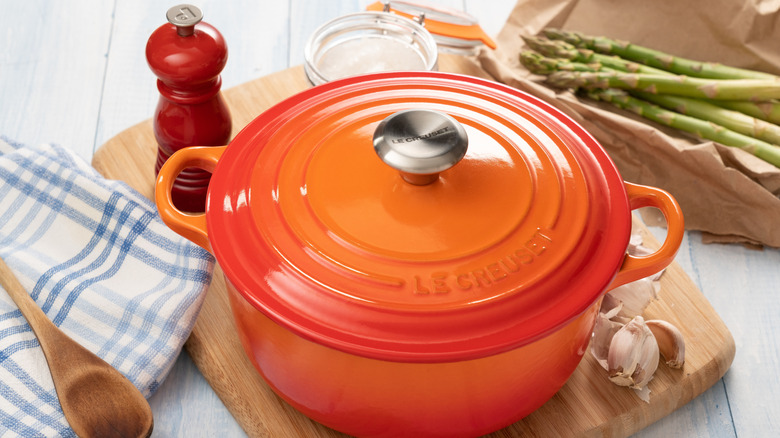
A dish that takes a long time to cook is bound to leave a heck of a mess behind. For some folks, that's a tomorrow problem. But you want to be a little more diligent than that, so you gather the sauce-splattered spoons, tongs, ladles, and crusty measuring cups and load them neatly into the dishwasher. In goes the Dutch oven into the dishwasher, as well. After all, it's cast iron; it was made for a rough life. But despite what that sturdy exterior might tell you, your Dutch oven is touchy about some things, top of the list being temperature swings.
Shoving your Dutch oven in the dishwasher or putting it under running cold water can cause severe thermal shock. That's especially brutal on enameled pots. The cast-iron body might fare a bit better, but the glass-like coating is far more delicate. A sudden temperature drop can cause fractures or cracks, all of which can shorten your pot's lifespan or, at worst, put it completely out of commission. Your best bet, according to manufacturers, is to give the pot have a 15-minute break before you cool it down or clean it.
11. Using the wrong cooking utensils
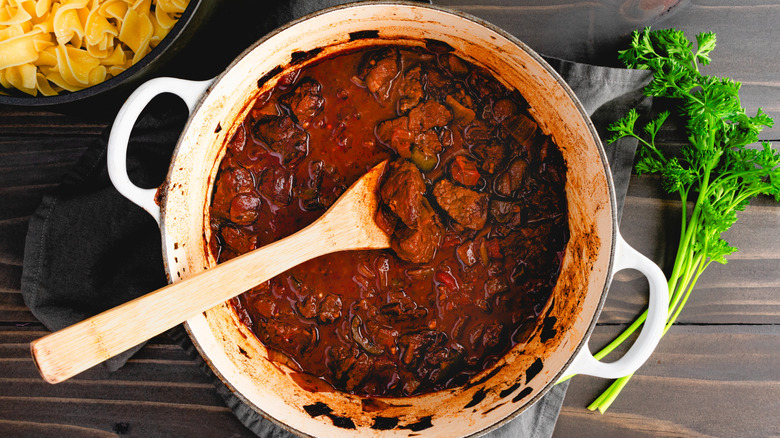
For cookware that can go from roughing it over a fire at a campout to sitting pretty as a punch bowl, Dutch ovens are incredibly easy to move around. But that doesn't mean you can throw any type of utensil in it. While your regular stainless steel cookware can take a bit of a beating, Dutch ovens are more sensitive.
Enamel-coated Dutch ovens, especially, don't play well with any old kitchen utensil. You want to reach for silicone, nylon, or wooden utensils, and steer clear of metal tools or wooden ones with sharp edges. These can chip away at the enamel coating. The damage might be mostly superficial at first, but over time, those gray marks can give way to scratches and chips, weakening the enamel and making your pot harder to work with. Bare cast iron can take a bit more roughing up, but it has limits, too. Aggressive scraping, say with steel wool or a scouring pad, can tear away at the seasoning, especially if it's new or already patchy.
12. Adding too little or too much oil
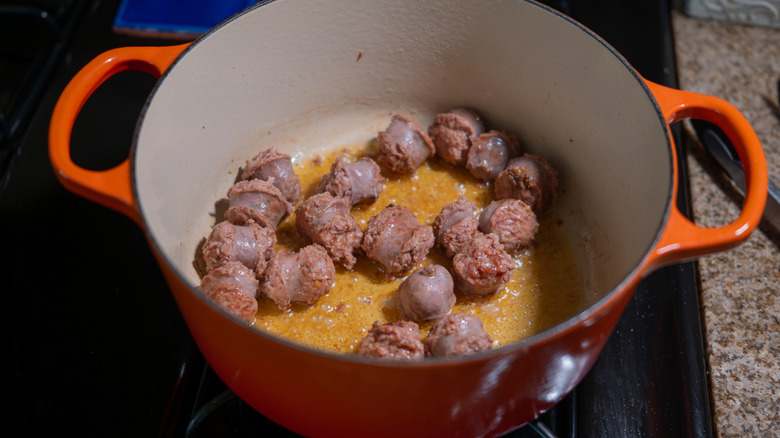
A nonstick (ish) surface is one of the perks of any Dutch oven worth its salt. Enamel-coated varieties have that glossy finish, while bare cast iron, though rougher by nature, usually comes with seasoning to make the surface amenable. But Dutch oven nonstick is not the same as regular nonstick. While you can technically start cooking with no oil in a standard nonstick pan (though that's complicated, and it's an oil mistake you're probably making), Dutch ovens still need a little fat (or liquid) to get going. These bad boys retain a serious amount of heat, and starting with a dry pot can make proteins cling, singe spices, or frazzle your aromatics.
To stay on the safe side, manufacturers recommend covering the entire base of the pot with oil if you're aiming for a good sear. Of course, you shouldn't go in too heavy. Too much oil can pool at the bottom and leave your proteins shallow-frying rather than searing. A lot more oil is necessary if you're deep-frying with your Dutch oven, but a casual eyeball certainly won't do. The rule of thumb is to never fill the pot more than a third of the way, though you can safely go up to halfway if a third isn't enough to fully submerge the food.
13. Trying to use it in the microwave

Dutch ovens have such impressive range that's it's easy to imagine they should work just fine with practically every heat source, even the microwave. But no matter how desperately you want to make the most of your microwave, a Dutch oven should not go anywhere near it.
Unlike ovens, which heat your food through hot air, microwaves rely on electromagnetic radiation. This kind of heat plays nicely with plastic and glass, but never with metal. Instead of passing through to heat the food, the radiation bounces off the surface and gets redirected around the microwave cavity. This means you're pretty much going on a fool's errand if you try to microwave your food in something as aggressively metallic as a Dutch oven. Putting a Dutch oven in the microwave can also cause arcing (AKA sparking), which can damage the microwave, or, at worst, cause a small electrical fire.
14. Placing it on the oven floor
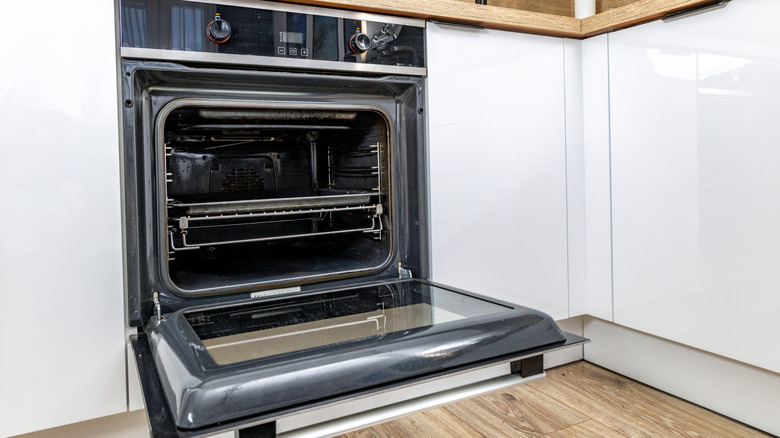
So you made the mistake of buying a Dutch oven that is too big to fit on any oven rack. It can feel like a nifty little workaround to just park it on the oven floor. After all, bottom-heavy heat works on the stovetop, so why not in the oven? Simple. Unlike a stovetop, the oven floor is not designed to act as a direct cooking surface.
Setting a heavy Dutch oven there can damage the porcelain lining of the appliance, which eats away at its lifespan. It can also disrupt airflow in the cavity, intensifying oven hot spots and giving you a patchy cook. What's more, since many ovens have a heating element underneath the floor, the bottom of your food can end up scorched, while the middle and top linger in the tepid environment of the cavity, making your dish unevenly cooked.