

Why Lettuce Is Ruining Your Sandwich (And A Simple Fix)
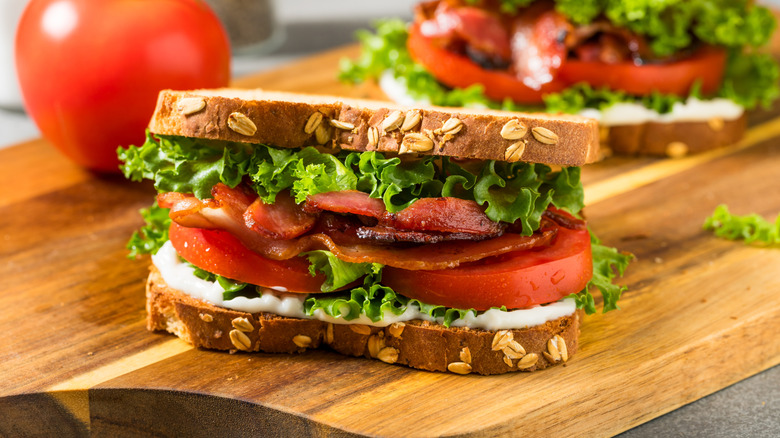
Adding a crisp leaf of lettuce to a sandwich feels like a no-brainer, but in reality, it's often a gamble. Lettuce, after all, can be watery. It's made up of over 90% water, and always needs to be washed. While it can add a refreshing bite, if too much moisture seeps into your sandwich, it will fall apart in no time. But luckily for those who like their sandwiches with a crunch, shredding it is a super simple fix to reduce the chance of that dreaded soggy bite.
When you shred lettuce, it will initially release more water, so be sure to dry it thoroughly with a paper towel or a salad spinner. Once that's done, you're far more likely to get a balanced hit of refreshing moisture and crunch without your sandwich turning into a slippery mess. Shredding also creates a more consistent texture throughout. A whole leaf is made up of the softer green edges and the rib, with the latter part providing most of the crunch. Leave the leaf intact, and you alternate between soft and crisp in uneven bites. By shredding it, you'll distribute those crunchy elements more evenly so each bite delivers that same refreshing crispiness.
There are many ways to shred lettuce. You can use a knife, but if you want more even slices, the mandolin is the way to go. The razor-sharp blade will also help you achieve the thinnest and crunchiest slivers for optimal texture, as well as cutting your prep time in half. Just make sure to use it carefully, as an accidental cut from a mandolin can be nasty. Once shredded, put your lettuce into an ice bath for extra crispiness.
The best ways to add lettuce to your sandwiches
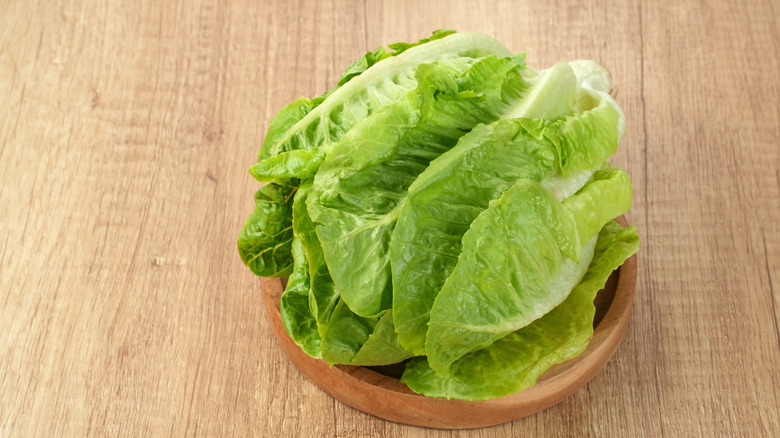
There are plenty of different types of lettuce out there, but when it comes to sandwich fillings, our personal favorites are romaine and iceberg. Both have those prominent rib sections and a firm, dense structure, which makes them perfect for adding serious crunch. That sturdiness also makes them much easier to shred compared to softer varieties like butterhead. One thing to watch out for is older lettuce. You'll notice it from brown edges or a wilted look, and once it hits a sandwich, it can quickly turn soft and slimy.
When it's properly dried, lettuce can actually help protect your sandwich by acting as a barrier between the bread and wetter ingredients like tomatoes or condiments. That layer can slow down moisture from soaking into the break and keep everything from falling apart too quickly. That said, placement matters. If lettuce sits too close to hot ingredients, the heat will cause it to wilt almost immediately, leaving it limp and less refreshing. Because of this, lettuce tends to work best in cold sandwiches, or at least placed in a warm sandwich at the very end. You should also avoid salt coming into contact with the lettuce, as this can draw out its moisture.
Your bread choice can also affect how soggy your sandwich gets. Softer options like brioche or standard white sandwich bread tend to soak up moisture faster and can quickly turn soggy when the lettuce is paired with other wet ingredients. For this reason, sturdier breads like baguette, focaccia, or sourdough are much better options for a lettuce-based sandwich.