

Where The Tomatoes In Heinz Ketchup Actually Come From
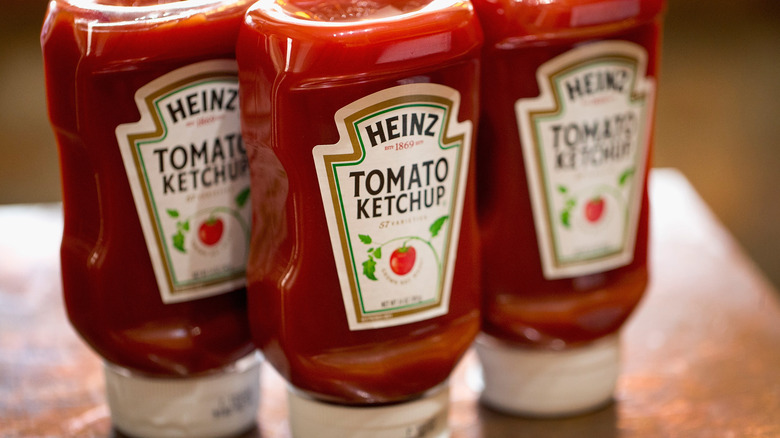
We may receive a commission on purchases made from links.
Unless you're attempting a homemade ketchup recipe, the beloved condiment's ingredients likely don't often cross your mind. After all, grab a reliable brand like Heinz, and you know you're getting a dose of sweet and savory flavors with every squeeze. Yet crafting such a standardized product is no easy feat. Heinz is available in the vast majority of the world's countries, with only subtle tweaks per regional preferences. Naturally, such distribution demands a whole lot of tomatoes — so where does all the fruit come from?
Heinz partners with farms across the globe — its footprint spans six continents, with major production hubs in California, Spain, and Brazil. Yet, for all its reach, the company is remarkably private about the proprietary spice blends that specifically end up in your ketchup bottle. Interestingly, Heinz doesn't own the farms. Instead, it maintains quality control by processing all seeds at its own specialized facility before shipping them out to a global network of private growers.
As such a valued brand, it's no surprise Heinz maintains tight control of its tomato base. All of the brand's ketchup employs fruit harvested from specific Heinz tomato varieties. The company has worked on breeding its own type since 1934, intentionally focusing on creating fruit designed for the condiment. Several of the brand's tomato types even come with their own patents, filed under the HeinzSeed brand. It's a carefully considered operation that involves incomprehensible quantities of the fruit.
Heinz has long invested in tomato agriculture
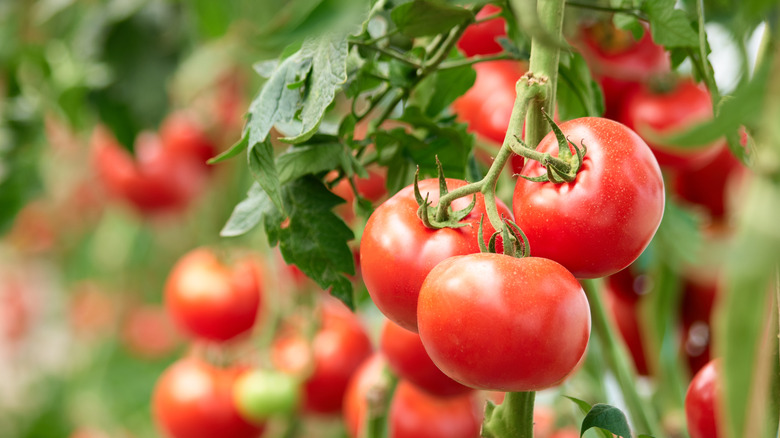
To secure its position as a global ketchup giant, Heinz has undertaken abundant innovation. From the now widespread upside-down bottle to one of the first mass-market ketchups sans artificial preservatives, many condiment creations are accredited to this brand's name. Behind the scenes, Heinz has poured research into tomato agriculture, ensuring that the fruit keeps up with the company's standard.
From the company's early days, the ketchup's tomato quality remained a prominent focus. The company officially started a breeding program in 1936, opening a facility dedicated to the red fruit. Decades down the line, this established Heinz as a seed distributor, which still plays a prominent role in the company. While the flavor of Heinz ketchup may seem nostalgically unchanged, the constituent tomatoes continue to be developed.
Even during the 21st century, the brand has hybridized seeds for sweeter fruit, all while working to prevent tomato pathogens. Heinz retains close partnerships with its global roster of farmers, working on sustainability initiatives like soil health. So next time you spot the recognizable 57-labeled Heinz ketchup bottle, know that the contained tomatoes came from carefully thought-out origins.