

How Fireplace Ashes Can Benefit Your Vegetable Garden
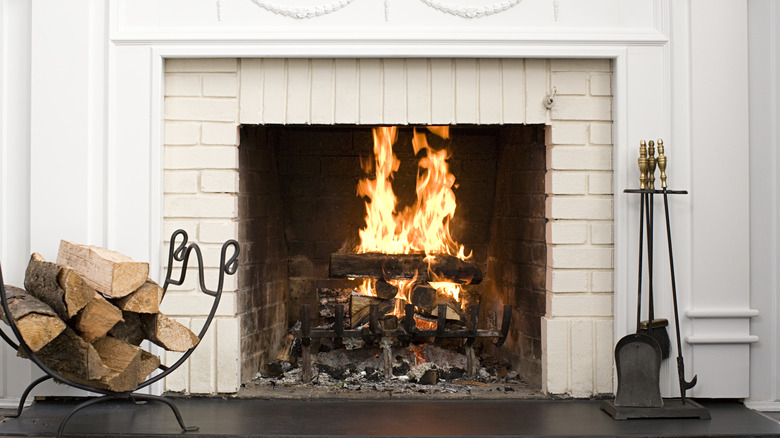
Plenty of household throwaway items benefit your garden, but there are few that are as disposable or effective as wood ash. Between its lack of other uses and nutrient content, it can be the perfect soil amendment depending on your needs!
Wood ash is roughly 20% calcium carbonate, the same primary nutrient you get from using egg shells to fertilize your garden. In the short term, it's a vital building block for supporting cell walls and a general helper for all sorts of other processes like root development and water intake. In the long term, it reduces the acidity of your soil and dampens heavy metal levels, both of which are great steps depending on what you grow and if you're starting a garden for the first time. Combined with coffee grounds to liven up your garden, you get a broad spectrum of nutrition and soil development.
Wood ash also contains 5% potassium, or potash, which all plants require to some degree to develop robust roots and strong photosynthesis. It contains trace amounts of other nutrients like iron, magnesium, and sulfur, and while not enough to support your plants on its own, it helps maintain healthy levels, especially when you're restoring your soil after a crop. Plus, ash is so fine that it's easy to mix in without compromising the texture of your soil, making it a great addition if you've already mixed in other organic material.
Dos and don'ts of using ash in your vegetable garden
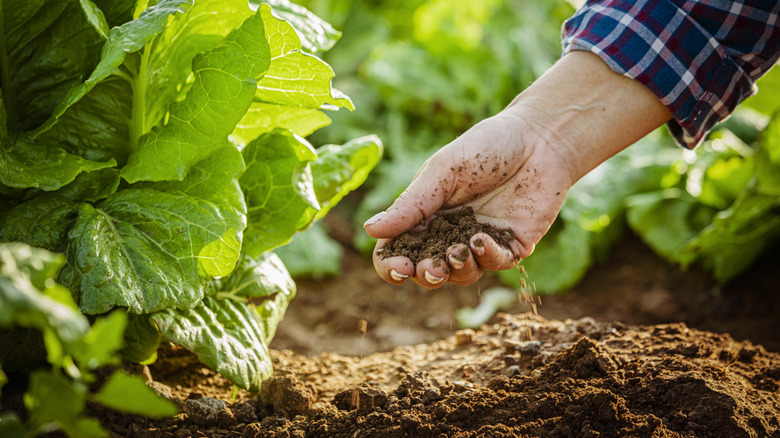
While wood ash is a fantastic addition to almost every garden, it can potentially become a hazard if misused. Since it's essentially a concentrate of whatever you burned, overusing it or sourcing it from the wrong material can drastically harm your plants.
The most important thing to remember is that you cannot use ash if you burned anything but wood, branches, leaves, or other natural plant matter. Treated woods, plastics, or pretty much anything with artificial chemicals contaminates it to the point of making it a possible toxin. Even something as innocuous as cardboard boxes may contain adhesives from tape and glue that you don't want getting into your soil.
Like all compost, wood ash is best added when it has a little time to break down and spread its nutrients. It's a great step to prepare your garden for fall, replenishing nutrients that the heavy-feeding, warm-weather crops consumed, and mixing it in gives you an excuse to aerate your soil. Apply a thin layer, no more than 1.5 to 2.5 ounces per square meter, and either rake it into the top soil or give it a good soak with the hose. Remember, ash blows away in even the mildest of winds, so while you don't have to till it into the ground right away, you'll want to do something to ensure it has a bit more weight to it.