

Why Your Homemade Pad Thai Tastes Burnt And How To Prevent It
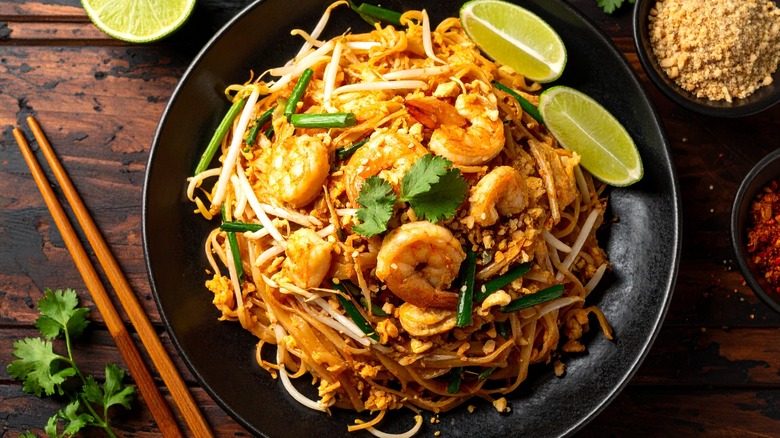
Thailand has a diverse range of dishes, and in a crowded scene, pad thai stands out as one of its most recognizable fares. This sweet and tangy street food is pretty simple and, at its core, is just a rice noodle stir-fry — but that doesn't mean it's easy to get right, and even Gordon Ramsay famously flopped when making this dish. It's fast, hot, and super easy to burn. To learn how to avoid charred, bitter flavors, Food Republic spoke with Chef Daniel Pérez Rueda, head of Asian cuisine at Lomas Hospitality and executive chef at Klay Talay.
According to Rueda, the most common cause of a burnt taste is using too much heat and adding sugar-heavy sauces too early. When making any stir-fry, you want to capture that signature wok hei — the smoky, slightly charred flavor created by intense heat and rapid cooking, but because woks heat up so quickly and efficiently, there's a fine line between a beautiful sear and burnt taste.
The temperature of the pan also affects how the sugar-heavy sauces taste. "[I]f palm sugar, tamarind, or fish sauce hit a super-hot pan, they caramelize almost instantly and then burn," Rueda explained. Don't get us wrong; we definitely want the sauce to caramelize, and in moderation, it adds depth and complexity. But exposed to too much heat, sugars can quickly turn bitter and acrid instead of rich and balanced. These sugar-based sauces are the backbone of pad thai's flavor, and if they're muted or burnt, the dish loses its identity, so getting the temperature just right is essential.
The secret to perfect pad thai is all about the order of ingredients
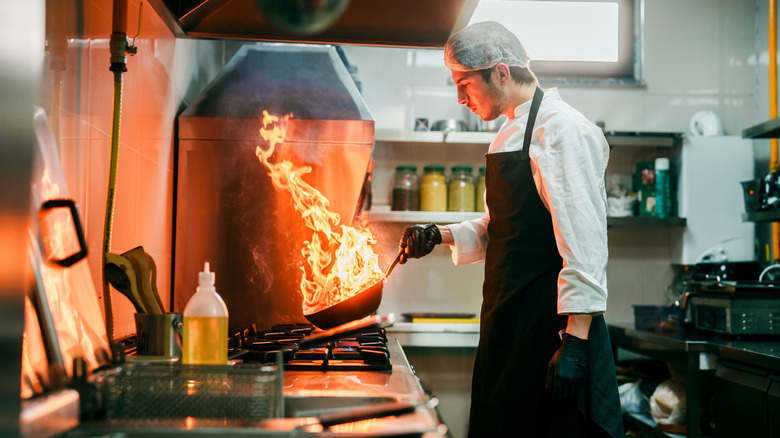
One of the things Americans get wrong about pad thai is that there are three components (none of which are ketchup): the noodles, the sauce, and the protein. Each layer has its own unique requirements, with the main difference between them being temperature. "The key is to stage everything," Chef Daniel Pérez Rueda told us. "Make the sauce ahead and keep it ready."
For optimal control, it's best to pre-cook your proteins separately. The most traditional pad thai protein is shrimp, which cooks fast and can turn rubbery if overheated. Chicken and tofu are also common add-ins, each with their own ideal cooking times, and cooking them separately ensures each can reach its ideal texture. Like the sauce, set the cooked protein aside. The same principle also applies to the rice noodles, and you should soak them in warm water to make them pliable before cooking. If everything is prepared in advance, the food can enjoy the heat without hanging around in it for too long.
Before you start cooking, Rueda emphasized the importance of not overcrowding your pan, which can lower its temperature; the wok needs to be hot, so ingredients sear quickly and develop the smoky wok hei. Begin by frying your aromatics (garlic and shallots are common choices) in a neutral oil, then add your protein and toss it with the sauce and noodles. "Lowering the heat right as you add the sauce makes a big difference. You want to reduce the sugars, not sear them," Rueda told us. "And once the sauce is in, finish the dish quickly; pad thai should be glossy and aromatic, not dry or sticky."