

10 Ways To Use Veggie Scraps In The Kitchen
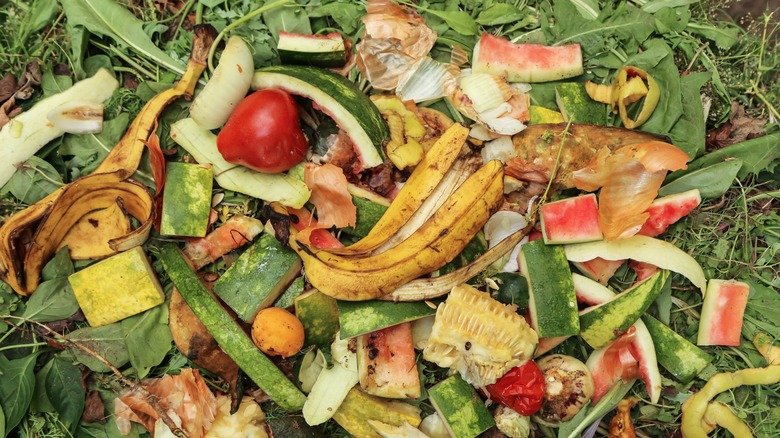
If you want to reduce food waste in your home kitchen, you don't need complicated equipment or any drastic lifestyle changes. Instead, the process of saving money and preventing as much food waste as possible simply starts with knowing how to use the things you'd normally throw in the trash. Vegetable peels, stems, and stalks are normally items that are automatically considered trash, but there are lots of easy ways to use the lesser-loved parts of the plant. These bits contain essential nutrients and can be used creatively as an exercise to try some new foods.
Veggie scraps can become an important part of your everyday cooking, from making stocks or broths, snacks for you and your pets, and even desserts. Saving small bits of scraps here and there can eventually be used for an entire recipe, making you not only more environmentally conscious but also more money-conscious. These small changes add up and can really make a difference, providing you with tools to turn those scraps into delicious meals and keeping them out of the trash.
Use vegetable scraps for homemade stock or broth
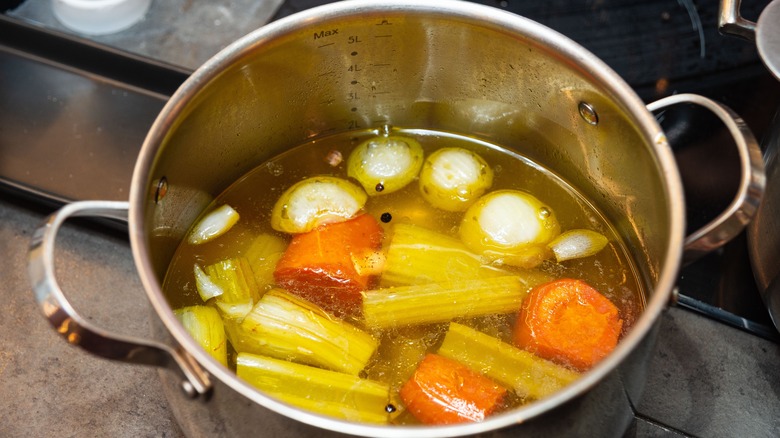
Using veggie scraps for homemade stock or broth is one of the most widely known ways to use up your kitchen scraps. This is a method used by home cooks far and wide because it's simple, and you can use almost any bit of produce you have left. Simply freeze your leftover carrots, onions, mushrooms, or herb stalks, throw them in a bag in the freezer, and save up until you have enough to combine with water to simmer on the stove for a flavorful (and free) stock for soups. For a deeper flavor, roast your vegetable scraps before simmering them. This homemade broth will rival the taste of any store-bought version, and there are no added ingredients or preservatives.
While there are a plethora of scraps that are great for making stocks, equally important is knowing which veggies to avoid saving and perhaps using for something else. Cruciferous vegetables such as cauliflower and broccoli can turn bitter when simmered for long periods of time, so they're not the best pick for broth. If you end up with more stock than you know what to do with, feel free to freeze some for later use.
Quick pickle your scraps
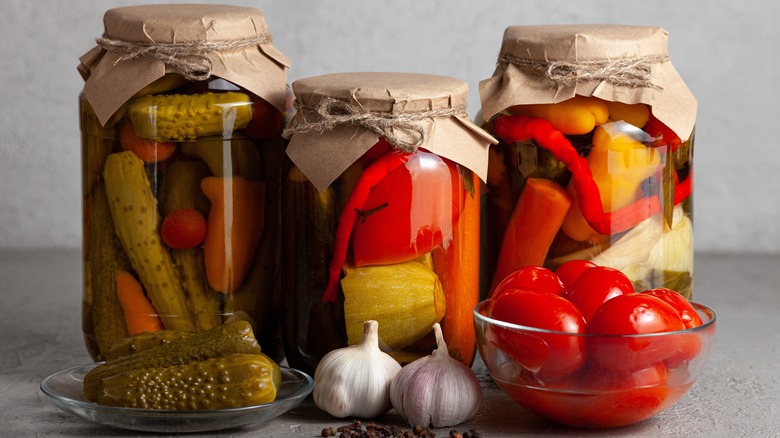
A "quick pickle" refers to a fast and easy way to pickle any vegetable. You don't have to stick to just cucumbers; you can use any veggie in your produce drawer in any amount. To make a quick pickle brine, simply combine vinegar and water and pour over your desired vegetables in an airtight jar. You can adjust the recipe to your liking, adding salt, sugar, mustard seeds, or other traditional pickling ingredients. This method is quick because you don't need to cook the vegetables in the brine for hours before jarring; instead, you only need to pour the heated brine over the veggies and pop the whole container in the fridge. The crispness will be preserved and a whole new world of flavor will be added.
The duration of pickling will depend on the type of vegetables you're using. If you're pickling red onions, they can be ready in around thirty minutes, whereas carrots or cauliflower might take a few hours. However, most home cooks report that every quick pickle tastes best if left in the fridge overnight. The best part of this recipe is what makes it great for using kitchen scraps: you don't have to stick to one type of vegetable per pickling jar. Combine your carrot and celery scraps from soup, or throw some cauliflower, turnips, and radishes in together; it's up to you! The pickling possibilities are endless.
Blend greens into smoothies for extra nutrients
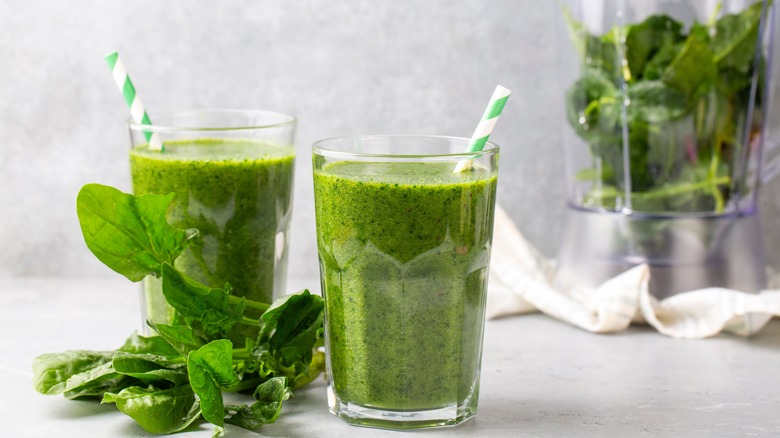
If you've got wilted leafy greens hanging around your kitchen that are past their salad days, or maybe half a cucumber that you don't know what to do with, think twice before chucking them in the compost bin. Greens are nutrient gold mines that can be a valuable addition to your morning smoothie. Some people like to save scraps from the week in a bag in the freezer and add a handful whenever they make their smoothies. These veggies pack your smoothie with extra vitamins and usually do not impact the taste at all, thanks to other ingredients like fruit, yogurt, and juice.
Spinach is chock full of vitamins A, C, and E, making it a great antioxidant bomb for your immune system. Add a handful of kale (massage it first to get the bitterness out) for some extra beta-carotene to boost your hair, skin, and nail health. Some home chefs recommend rotating the greens you're using in your smoothies for a wider nutrient profile and to avoid flavor fatigue. Food waste is a massive problem, particularly in American kitchens, and even using a handful of kitchen scraps that you would've otherwise thrown away can be a great help for both your wallet and your gut.
Make veggie chips
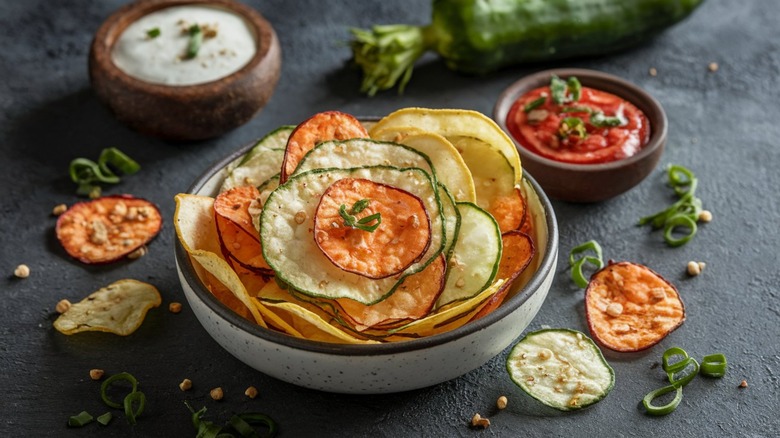
We all get it: that craving for something crunchy, salty, and snackable. It's hard to resist, but calories in many mainstream potato chip brands can really add up, especially if we're snacking mindlessly while doing something else like watching T.V. What if there was an alternative that was healthier, saved you money, prevented food waste, and still gave you your crunch fix? Making your own veggie chips with scraps you already have in your kitchen could be your saving grace. Vegetable peels and thinly sliced scraps can be transformed into flavorful chips with minimal effort at home. If you're craving a traditional potato chip, save your potato peels, wash them well, coat in oil and salt, and throw them in the oven. That's it. In around 20 minutes at 400 F, you'll be left with crispy, salty potato skin chips with no added preservatives or chemicals.
You don't have to stick with just potatoes, though. Save your carrot, sweet potato, or beet peelings for a variety of flavor and nutrients. You can also season them with whatever you have on hand, and the cooking method will be virtually the same for every combination you can come up with. If you're looking to be a bit more health-and wallet-conscious, this recipe is a great one to try.
Amplify pasta sauces with onion peels
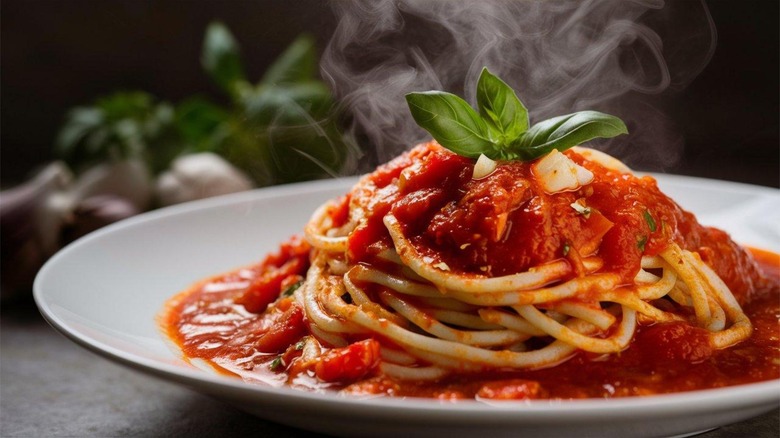
Give your meal prep veggie scraps a second life by adding them to your homemade tomato sauce. Many people add secret veggies to their sauces to sneak in extra nutrients for themselves and their families, but the most surprising addition you can make is leftover onion peels. Not only can you add carrot butts for sweetness or herb stems for depth, but onion skins can be simmered in your sauce for an interesting flavor boost. Make sure to rinse them well, and then toss them into your simmering concoction of tomatoes, oil, and seasonings. Onion peels are often overlooked, but they will add some savory complexity to any tomato-based sauce.
Because sauce can't be strained as easily as stock or broth, you can tie your veggie scraps together using kitchen twine, or opt to emulsify everything with an emulsion blender. Binding and removing seems to be the more popular choice, as you can control how long the scraps influence the flavor of the sauce, and they're easy to remove from the finished sauce.
Give your pet's food a boost
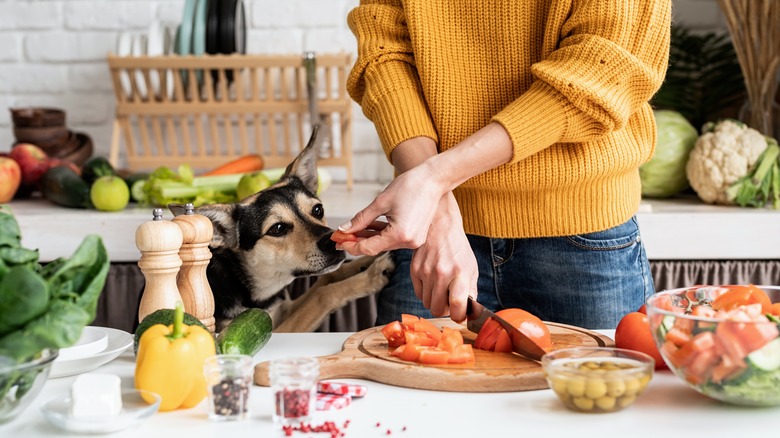
When used correctly, certain kitchen scraps can be up-cycled into a nutritious treat for your household pet. Whether you have dogs, cats, guinea pigs, or other animals, as long as you know what is and isn't safe for your furry friend, turning vegetable scraps into food and treats is a great way to cut down on food waste. If you're only using the heads of your broccoli, give the stalk and stems to your pet for a crunchy treat that's packed with vitamins for a healthy immune system and shiny coat. Veggie scraps should be served either raw or cooked, plain, without any seasonings, to avoid digestive issues.
Your pet will love things like sweet potato, carrots, and cucumber skin. Avoid giving your dog leftovers from cauliflower, asparagus, tomato stems, or any parts of an onion. You want to avoid giving similar veggies to your cat, as well, including things like raw potatoes. These can be particularly toxic and can cause a variety of issues. If you do your research and find what's healthiest for your pet, up-cycling scraps for your pet's food can be a great way to make sure you're using every part of the vegetable.
Use washed peels for chutney
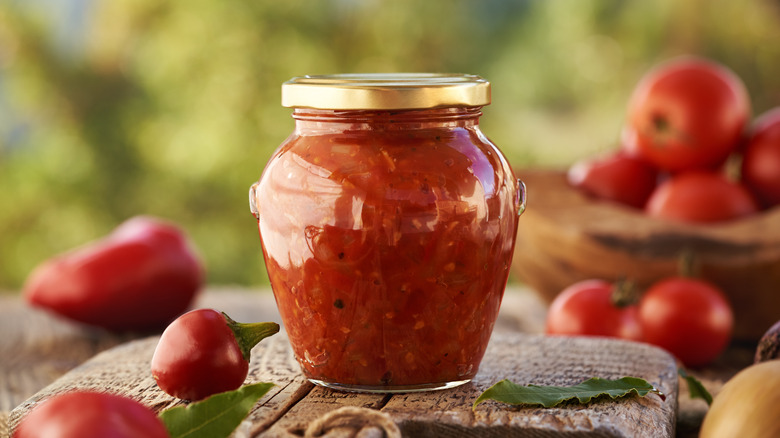
When you peel vegetables to use in other dishes, you may not realize that you're getting rid of the most nutritious part of the plant. Instead of throwing them away, save vegetable peels from squash, carrots, potatoes, and even pumpkin. Wash them well and combine them with other scraps like broccoli stems, as well as vinegar, spices, and aromatics, and you've created a flavorful chutney that pairs great with flatbread or crackers. Some chefs also recommend blanching the peels before use to make them a little easier to blend.
You can keep your chutney homogeneous, using stems and leaves from broccoli and cauliflower, or you can use a mix of vegetables, keeping a freezer bag of scraps until you have compiled a couple of cups to use for this recipe. The beauty of something like a chutney is that a lot of the flavor lies in which spices you decide to use, and the veggies are just there to bulk it up and provide you with the fiber and nutrients you miss out on when you throw the peels away.
Compost your leftovers
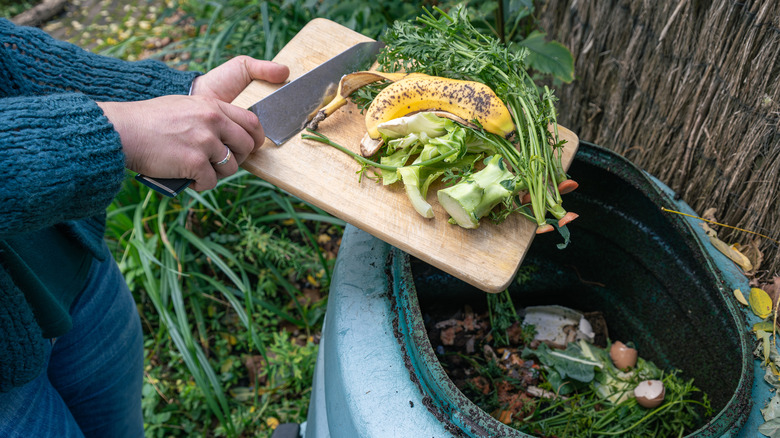
When you have scraps that are no longer usable for consumption, it's much more responsible to compost them than simply throwing them away. Composting is the process of recycling organic matter for soil for other plants to grow. There are many ways to compost, including an outdoor compost bin, community composting, and even countertop compost containers that stay right inside your kitchen.
Since almost any organic matter can be composted, environmental experts advocate for composting because it supports further plant growth and cuts down on materials that end up in landfills. Things like vegetable peels and cores are ideal composting materials, even coffee grounds, but avoid composting meat, dairy, and raw eggs. When mixed with dry matter, such as leaves to improve airflow, this organic matter creates a perfect balance that enriches the soil. Composting completes the food cycle, returning nutrients to the earth rather than disposing of them completely in a landfill.
Turn your carrots into a dessert
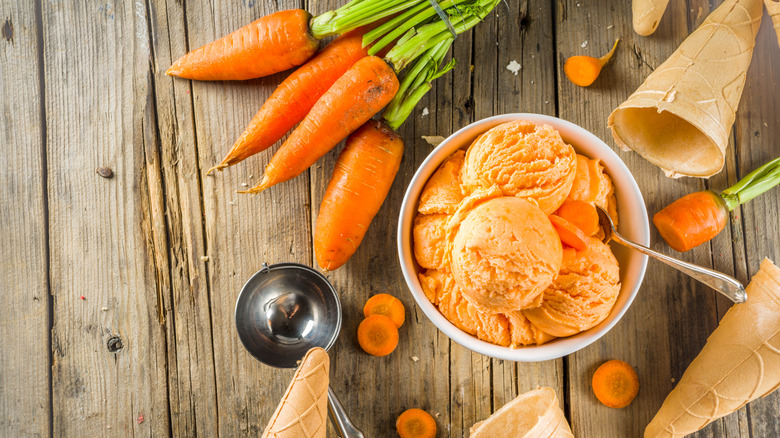
Here's an unexpected use for your carrot scraps: Did you know that every single part of the carrot cannot only be used, but also used to make a dessert? Their sweet, earthy flavor has been utilized to make unique sweet treats that you'll want to try out. The carrot itself can be juiced and blended with sugar and cream to create carrot ice cream. Blend the juice with ginger and leave out the cream to create a fresh, exciting carrot sorbet.
But the sweetness doesn't stop there. You can also use the top of the carrot that you'd normally discard to make a carrot top granita. Top the granita with frozen yogurt or fresh fruit for a unique flavor profile that will guarantee you never throw away any part of the carrot again. Using recipes that are unconventional can reduce food waste and leave you with some show stoppers for hosting. Recipes like these challenge what vegetables have always been used for in the kitchen, and food scientists are always dreaming up new uses for food that may have otherwise been discarded.
Make your own garlic powder

Did you know that every time you use garlic to enhance a dish, you may be throwing valuable, perfectly good seasoning ingredients straight in the trash? Next time you're making a zesty pasta sauce or peeling garlic for that juicy steak you've been looking forward to, save the peels. You can turn them into fresh, potent homemade garlic powder. Once you have a couple of cups saved up, wash and dry the peels well. Then, line a baking sheet and put the peels in the oven on 320 F. You only need to bake them for about five minutes; you don't want them getting too dark. Once the peels are done baking, you can use a food processor, blender, coffee grinder, or good old mortar and pestle to grind them into a fine powder. Voilà! Fresh garlic powder and one less item on your shopping list.
Some people may wonder why they should go to the trouble of making their own garlic powder when it's so easily accessible at the store. First, homemade pretty much always tastes better. With store-bought spices, you don't know how long they've been sitting in their plastic containers on the shelves, and you don't know how fresh the ingredients were when they were made. When you make spices yourself, you know exactly what's going into them, and it saves you money while preventing food waste.