

How Bars Are Adapting To Gen Z's Drinking Habits
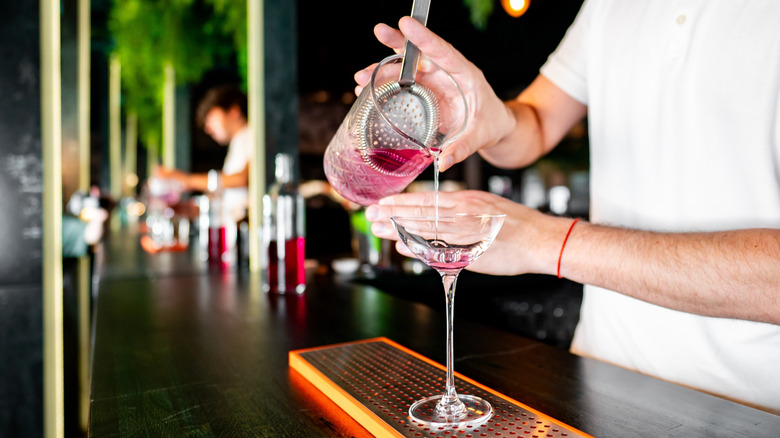
Whether it's the pre-Prohibition cocktail boom or tropical-themed Tiki bars, America's bar scene spans many eras. Today, imbibing trends increasingly gravitate towards sober-curious and low-alcohol drinking, meaning that the nightlife industry is accordingly shifting to less boisterous tastes. So to hear about cutting-edge bar initiatives straight from the source, Food Republic spoke with Leo Daunt, the owner of The Bird in Montauk, New York.
Daunt acknowledges the prevalence of mocktails, noting the drink category is expanding "not just in the younger crowd but all ages." Naturally, such a trend entails converting favorite cocktails to mocktails, but Daunt highlighted the demand for wholly unique drink concepts, too. Especially among younger drinkers, the "emphasis is actually on presentation and differentiation," he said. Since going out is no longer about optimizing alcohol consumption, bar programs aim to create photogenic and memorable moments.
"Gen Z is invested heavily in finding unique experiences or tastes," Daunt summarized. Such a conceptual approach applies to the food, decor, and even social media presence — "the investment is really in a holistic [storytelling]," he stated. At The Bird, that entails a smart yet approachable menu to match the homey environs. Elsewhere, such trends revel in sophisticated, multi-ingredient mocktails or a tasty booze-free tap. More than ever, giving up alcohol doesn't mean skipping out on a social buzz.
Bars increasingly focus on thoughtful and experimental drinks
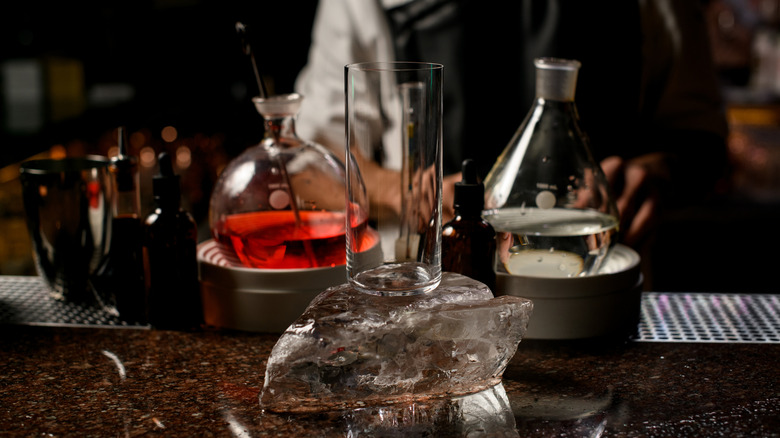
The shift toward novel drink construction alters several facets of the bar experience. Leo Daunt noted that in times past, the "value and amount of alcohol" dictated a night out, especially for younger patrons. Yet now with the booze budget no longer an utmost priority — plus a craving for novelty a major driving influence – creative bartenders keep upping the ante.
Now, mixology involves a sea of unique ingredients matched with complex techniques. That can mean painstakingly sourcing spices for bold cocktail infusions, employing a rotovap (a vacuum distiller) straight from a chemistry lab to intensify flavors, or using completely novel drink ingredients (like adaptogens, botanicals that help reduce stress). Such an approach pertains to both boozy beverages and non-alcoholic options — the latter offers an ever-expanding range of categories — think in terms of what these zero-proof cocktails do. Some energize, others help you relax, and still others may give you better mental focus.
Drink presentation is also breaking away from time-tested templates. Trendy, smaller-sized glassware enables not only more sampling, but also less alcohol per serving — without compromising intensity and taste. Not to mention, cocktail presentation can also involve creative garnishes, serving platters, and new shareable formats. Add up all such qualities together, and you get a bar experience patrons "can take a picture of and share with their friends," noted Daunt. It's a bartending with a multi-sensory approach, designed to create drinking experiences to remember.