

All Of The Changes Coming To Aldi In 2026
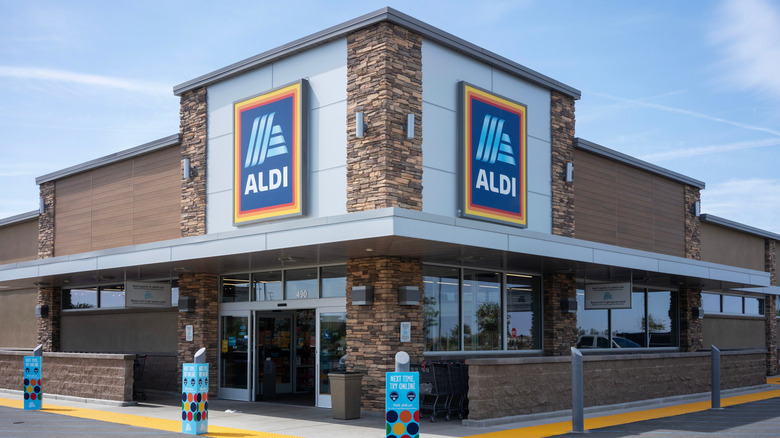
Aldi is entering 2026 with significant momentum. The discount grocer has never been shy about its focus on quiet efficiency. Though it may lack features like a loyalty program or consistent product lines across stores, Aldi has slowly built a devoted following. This upcoming year, Aldi is focusing on expanding its brand. It believes that, given the significant impact of inflation on shopping habits, it is positioning itself as an adequate retail option for as many shoppers as possible.
The changes arriving in 2026 for Aldi are mostly branding-focused. The retailer is changing its approach to private labeling, adding stores nationwide, and finalizing its initiative to transition to fully recyclable packaging on its private labels. All of this can seem like a lot of change ... what's next, getting rid of the 25-cent carts?
Relax — that's not happening. These adjustments are not expected to disrupt the core Aldi experience shoppers know, just expand it to a wider audience. This article breaks down what's coming and what shoppers can expect as the changes roll out, making sure you remain prepared to shop at Aldi.
Aldi is unifying its private-label products
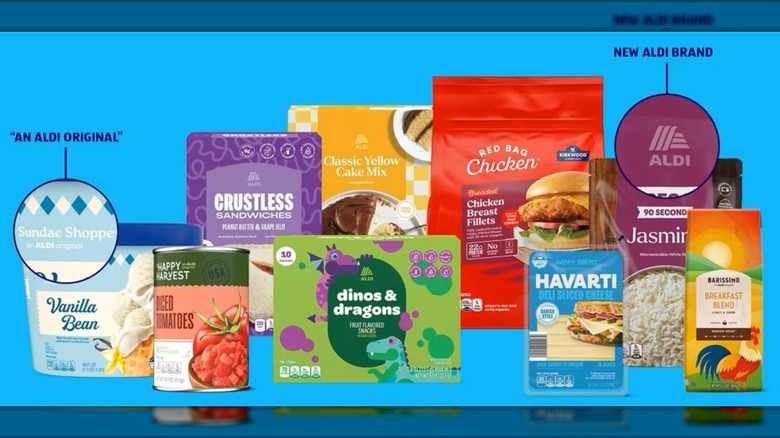
When you think of Aldi, besides Aldi Finds, private labeling is one of the first things that comes to mind. Roughly 90% of the items on its shelves fall into this category. Aldi uses private labeling to keep prices low and have a closer eye on quality and sourcing. In 2026, Aldi is switching this up by unifying its private-label products.
The chain is doing this in two ways: Some products will simply be donned with the Aldi brand, while some other brands — recognizable Aldi favorites like Specially Selected and Simply Nature — will remain the same, though now accompanied by a label that reads "An Aldi Original." But all these products will remain the same, including the ones whose brands are being substituted for Aldi. The plan is for the packaging to be more vibrant and for products to roll out the year progresses. Many stores, such as Publix and Whole Foods, employ a similar strategy to strengthen consumer recognition.
Significant expansion across the United States
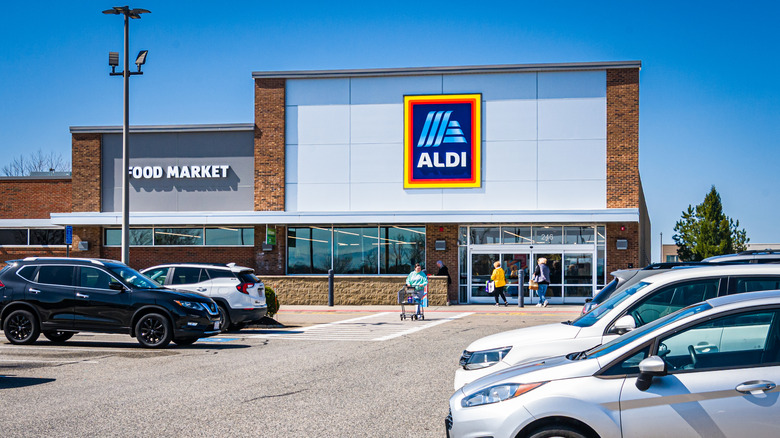
Aldi is continuing to expand across the U.S. in 2026, building on a record year of growth. The retailer planned to open more than 225 new stores in 2025, which would be a company record and make a solid dent in Aldi's stated goal of 800 U.S. stores by 2028. While the expansion is national in scope, much of the current focus is on the West Coast and in the Southeast, where demand for affordable grocery options remains high.
Indeed, the South is where the chain will likely make the most hay in 2026, with a significant portion of that growth coming from locations Aldi acquired through its purchase of Southeastern Grocers. Scores former Winn-Dixie and Harveys stores are being converted into Aldi stores, a move that allows the company to grow faster by repurposing existing stores rather than building from scratch. More than 200 are expected to be converted by the end of 2027. Long story short, if you don't currently have an Aldi nearby, that could be changing in the not-so-distant future.
Opening a store in Times Square
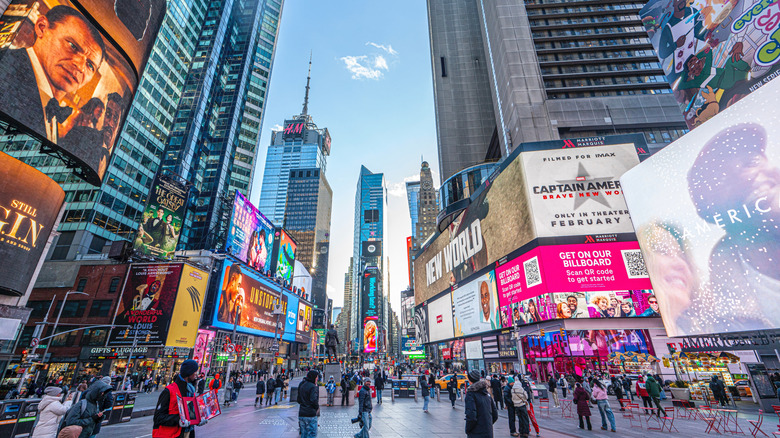
In the coming year, Aldi has its eyes set on the Big Apple. The chain plans to open a high-profile location near New York City's Times Square at 312 West 42nd Street, and it's expected to be about double the size of its regular stores. New York City residents are always looking for more cheap avenues to get groceries due to the rising cost of living, and the store will be in a new residential building, so there's certainly a market angle here. But anyone who's walked through Times Square would probably agree that it's not the ideal place to go grocery shopping.
That's okay, though — while the store will operate like a typical Aldi, what the location really offers is visibility, and plenty of it. Rather than relying on traditional advertising, Aldi is using a physical store presence to generate attention in one of the most visible retail corridors in the country. It's not the kind of high-profile project you'd typically expect from Aldi, but if anything it signals the chain's commitment elevating its image and cementing its status as a major player in the American grocery scene. We'd advise against going there on a weekend afternoon, though.
Moving toward fully recyclable packaging
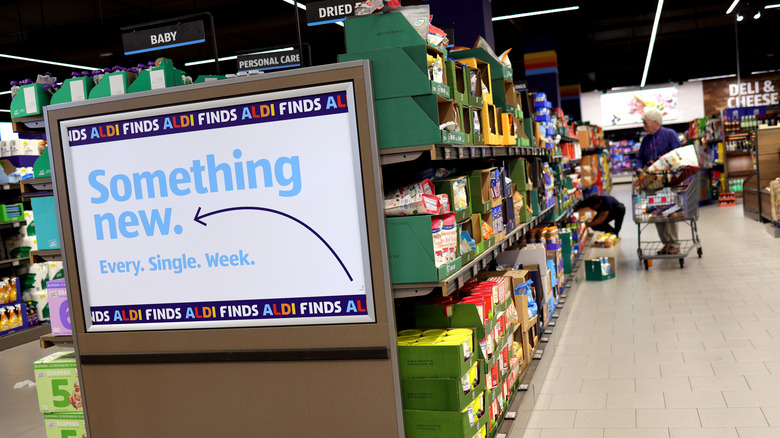
Marketing and visibility is the name of the game as Aldi expands. But the chain's move to unify its private label brands dovetails, at least somewhat, with its sustainability efforts. Aldi announced that all of its private label products would be fully recyclable by 2025 as part of the company's Vision 2030 initiative. Aldi also aims to use 30% more recycled material in its plastic content and update packaging labels to help make recycling instructions easier to follow — something worth looking out for if you haven't seen it already.
Another sustainability goal for 2026 is increasing supply chain transparency, specifically related to coffee and seafood, though it remains to be seen how that might show up in-store or on packaging. Regardless, it's safe to say that aside from a few packaging shifts, these continued efforts shouldn't be too abrasive for Aldi shoppers, if they're even noticeable at all. Though growth is Aldi's clear focus in 2026 and beyond, customers can take some comfort in knowing sustainability and clarity is still a priority here. That, and affordable groceries.