

The Very Worst Times To Visit A Buffet Restaurant

From homestyle comfort foods and all-you-can-eat pizza to international fare like Chinese and Indian cuisine, buffet dining has definitely evolved from the 18th century invention of the Swedish smorgasbord (which is different from our American-style buffets of today). If there's anything better than sitting down to tasty, piping-hot food (or nicely chilled, if we're talking about salads, or room temperature if we're talking sushi, which should never be warmed up), it's doing it over and over again until you're so delightfully full that you need a pillow and a good snooze.
If you want a good buffet experience, though, you need to know the best times to go — and the times when you absolutely should not. For instance, Mondays and Tuesdays are notoriously slow days for restaurant visitor traffic, so it might seem logical that these would be good days to hit up a buffet — fewer people means more fresh food for you, right? Wrong. These slow times can actually be the very worst days to visit a buffet. After all, food sitting out for a long time is one of many red flags you should look out for at buffets. Early mornings and between the lunch and dinner rushes are most likely the slow periods.
There are certain times when even buffet establishments with stellar reputations may have less-than-appetizing food sitting out on their serving stations. If a buffet is bustling, that means serving dishes are being rapidly depleted and, consequently, replenished regularly. On the other hand, if you're dining during slower restaurant hours, that can mean warmed-over dishes that have been sitting untouched for hours — not quite a recipe for freshness. Unless you're lucky and manage to arrive shortly after the food has been prepared and set out for the first time (not reheated and re-served), the risk of paying a buffet price for subpar cuisine is real.
Normally good food turned blatantly bad

My eyes were recently opened to just how much the day and time of your buffet visit can matter when my family and I ate at an all-you-can-eat Chinese restaurant we had visited several times before. Though it was a Wednesday night, not the traditionally uber-slow Monday or Tuesday, it was about as still as death — the only other customer was a lone elderly woman seated on the opposite side of the restaurant.
During our other visits, the food here was good — dishes that were meant to be hot were hot, textures that were meant to be soft were soft, and so on. But this night, I was dismayed to find almost everything on my plate virtually inedible. The orange chicken was so tough, I couldn't bite into it. The rice noodles in the chow mei fun were hard and crunchy. The potstickers were so stiff that I couldn't spear them with my fork. Knowing we were paying almost $20 per person for this meal, the low quality of the food was more than a little frustrating. Puzzled, I asked myself why this normally palatable restaurant was suddenly so dismally awful.
I recalled that online reviews for this restaurant were mixed. Some had thrashed it for poor food quality, while others praised the freshness of the dishes. I, myself, on visiting previously, had thought, "What are they talking about? This food is good. I guess some people just have to complain." But now, here I was, having the exact same complaints. How could such wildly different experiences occur in the same restaurant?
The hazards of off-peak buffet times
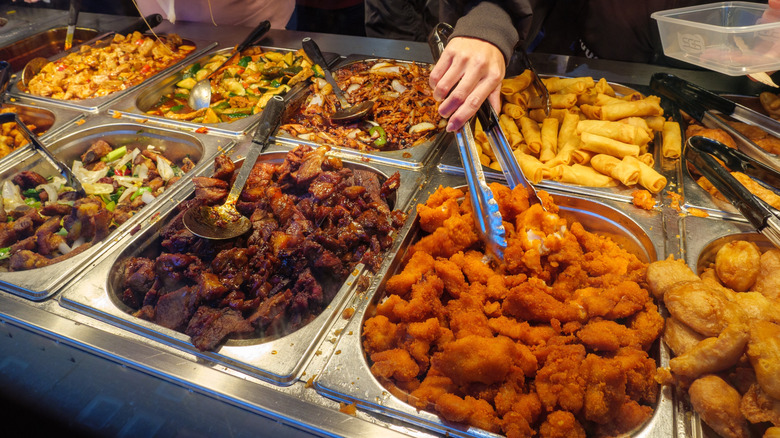
Maybe the common denominator was "time of visit." If lunchtime was similarly slow, maybe the food in the steam trays had been sitting there all day. The toughness of certain dishes indicated they had likely been reheated or refried at least once, if not multiple times.
Restaurateurs want to save money, like the rest of us. If you have buffet stations full of food and no afternoon customers, do you remove the old food and cook fresh offerings for an equally slow dinnertime? Ideally, the answer would be yes — but, realistically, that's expensive. The reality is that as long as food is kept within the temperature and time requirements stipulated by the FDA and local health departments, restaurants can do what they want in terms of holding their dishes. Clearly, in view of our experience, that sometimes means presenting unappetizing food to customers, though it may be technically safe to consume (although that gets iffy, too).
Bottom line: During non-peak times, you risk getting food that's anything but fresh. Hitting a buffet near the end of business hours can similarly leave you stuck with slim pickings in terms of freshness. If it's 30 minutes until close, for instance, the kitchen isn't likely to put out full pans of newly cooked food — after a certain point, what you see is what you get. The one exception is areas of the buffet that cook food fresh to order, like omelet stations or the steak grill at Golden Corral. Otherwise, though it means fighting a crowd, your best bet is dining when there are plenty of customers, necessitating constant food refills.