

What Does 'AVA' Mean On An American Wine Bottle?

Picking a bottle of wine can feel daunting. A bottle's label contains an overload of information, including details regarding the grape variety, producer, country of origin, and region. Yet breaking down what's printed is crucial to appreciating a wine's terroir — making it handy to dig into localized details. For example, take the American Viticultural Area label, typically abbreviated AVA for short.
Federally regulated by the Alcohol and Tobacco Tax and Trade Bureau (TTB), the tag refers to wine made in a defined grape-growing area, known for producing special qualities. Common characteristics include pronounced minerality — say from rich volcanic soil — or a wine shaped by mild oceanic conditions. Typically, such an environment promotes the harvest of particular grape varieties, although there's no requirement binding AVA producers to a specific wine-making practice.
Instead, the label is all about deepening the understanding of a bottle and strengthening a connection to a sub-region. The size of each regulated area varies widely. The Upper Mississippi River Valley AVA covers nearly 20 million acres across four states. Meanwhile, Washington's 815-acre Candy Mountain AVA comprises only the partial slope of a singular mountain. Regardless of its origin, an AVA wine must contain at least 85% grapes grown in the area, with the bottle finished in its respective state – thereby forming a defined denomination.
More about the AVA to consider while wine-shopping
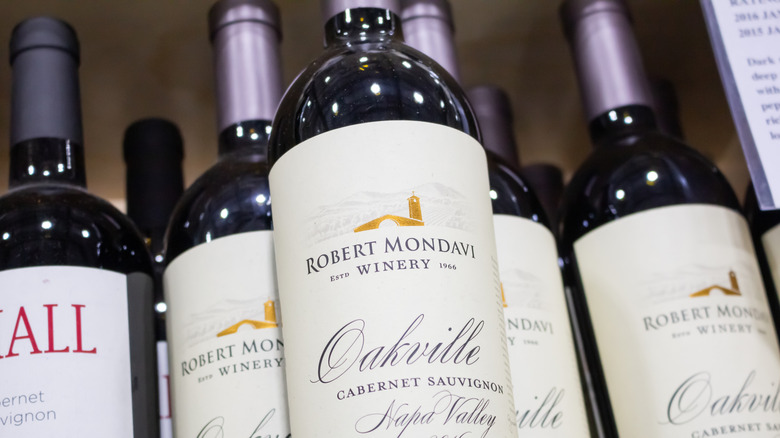
The U.S. is home to some 280 AVAs, with over half located in California. Becoming well-versed in all of the labels requires extensive knowledge. A few are well established among consumers, like California's Napa Valley and Oregon's Willamette Valley, for example. AVA labelling often comes as a mark of prestige, helping consumers note favored bottles on a shelf or menu.
Like a wine's country of origin, an AVA tag guides shopping across all price points. Wines from the Rutherford AVA region — a Napa Valley sub-appellation known for its tannin-heavy structure — can retail for hundreds of dollars per bottle. Yet you can also find the affordable Kirkland Signature Rutherford Cabernet wine at Costco included under the AVA label.
Wines from the same AVA don't necessarily taste similar, but oftentimes share a predominant quality. For example, Washington's Walla Walla-sourced red wines are known for their aging potential, while New York's Finger Lake AVA is known for its great Rieslings. Much like comparing a California versus France versus New Zealand Sauvignon Blanc, an AVA enables wine enthusiasts to isolate terroir details, all tied to the U.S.