

The Bourbon Red Flag To Watch Out For When Buying Your Next Bottle
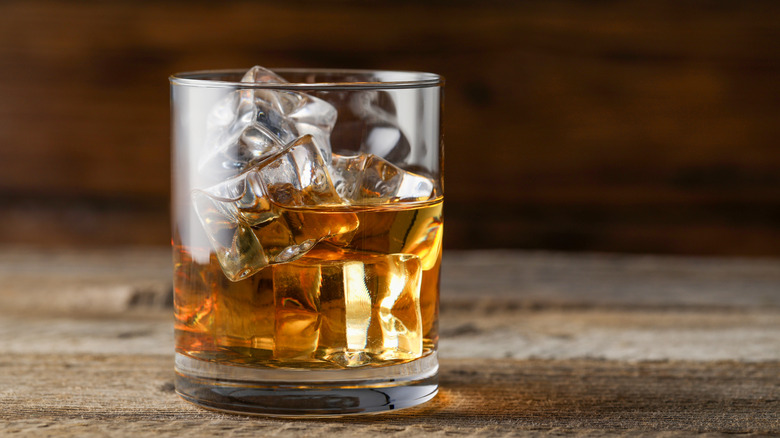
Bourbon is one of the most celebrated styles of American whiskey, largely thanks to its rigorous production process. By law, bourbon must be aged in brand-new, charred oak barrels. As the whiskey ages, a barrel can lose up to 10% of its liquid in the first year, with smaller losses every year after — a phenomenon charmingly dubbed the "angel's share." This means that older batches may have much less liquid left to sell, inevitably driving up prices. Yet, despite its prestige, not all bourbon is created equal. To ensure you're getting your money's worth, we recommend being wary of celebrity-endorsed bottles.
To the bourbon connoisseur, the mash bill is perhaps one of the most useful indicators of what to expect from a bottle. Brands known for exceptional quality, such as the expensive Pappy Van Winkle, have spent generations honing their formulas to create unique, carefully considered flavor profiles. But when you purchase a celebrity-endorsed whiskey, potentially more thought has gone into the publicity than the bottle's actual contents.
A classic example of this is Bradshaw Kentucky Straight Bourbon Whiskey, part of a line of bourbons inspired by NFL legend Terry Bradshaw. Some buyers were left unimpressed. "Rather bland, weak and boring," one reviewer said on Distiller. "Felt like more of a gimmick than it did a quality spirit." Redditors felt similarly. One user gave it a 4 out of 10, writing, "Overall, this isn't great or good, and it's not bad, but it's also just not interesting, engaging or particularly complex."
It's important to note, however, that celebrity-endorsed bourbons aren't bad by default. In 2018, folk icon Bob Dylan collaborated with distiller Ryan Perry to create the Heaven's Door brand. Upon release, it received widespread acclaim, with critics praising Dylan for allowing the distillers' expertise to shine.
Other factors that contribute to high-quality bourbon
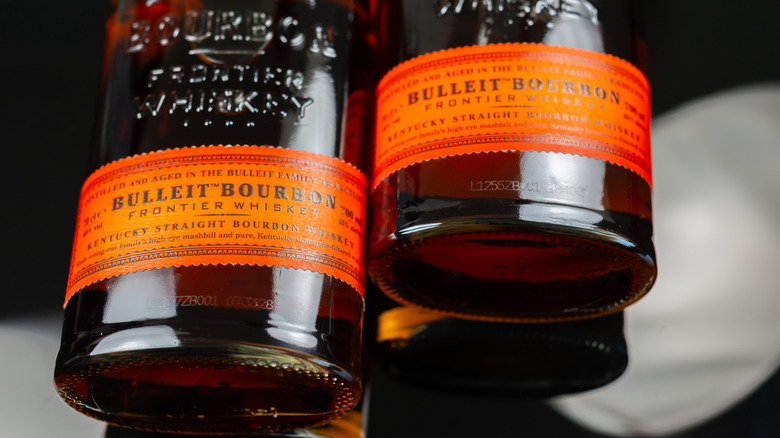
One factor that doesn't offer much insight into a bourbon's quality is its price or packaging. Sure, a $1000 bottle sitting comfortably behind glass in an ornate, wax-sealed package may look the part. But the only thing that matters is what's inside the bottle. Plenty of overpriced bourbons trade almost entirely on branding and presentation, while some of the best-tasting bottles on the shelf still cost less than a dinner out. If you want to know what you're actually drinking, skip the flashy packaging, and go straight to the mash bill.
By law, bourbon must contain at least 51% corn, which gives it its signature sweet taste. The rest of the mash bill can include rye, wheat, or malted barley. For the serious bourbon drinker, it's always worth studying the mash bill beforehand, since it offers real clues about the flavor profile inside the bottle. A high-rye bourbon, for example, should bring a bold, spicy, and peppery kick, while a wheated bourbon should have a softer, smoother, and sweeter profile. The bottle's taste should generally reflect what's in the mash bill. If it doesn't, that's a telling sign it might not be worth a second purchase.
Another reliable indicator of quality is an age statement. Once bourbon has been aged for at least four years, distillers don't have to disclose its age, though they may still add a statement reflecting the youngest whiskey in the bottle. For bourbon, many experts agree that around six to 12 years hits the sweet spot, offering a good balance of rich oak tannins and grain character.