

Cowboys In The Old West Loved This Tried-And-True Classic Drink
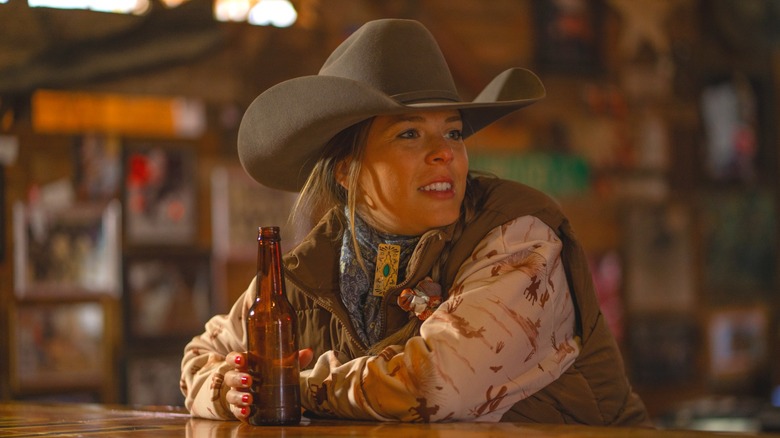
While most people imagine cowboys quenched their thirst with whiskey, beer, and creek water, it's important to remember that the Old West was a time of innovation, trade, and the beginnings of the temperance movement. As such, folks wanted something different that didn't necessarily have alcohol, and that's where old-fashioned sarsaparilla came into play.
Derived from the sarsaparilla vine, a type of lily, native Central Americans have been enjoying some variation of this drink for centuries. Given the Old West's proximity to these areas, cultural diffusion eventually led to sarsaparilla becoming more available to cowboys and townsfolk. It became particularly popular as a mix-in for tonics and medicine because its powerful flavor was great at covering up the astringent, harsh tastes of the chemicals.
While there might be some exaggeration of just how popular it was thanks to modern media depictions of Old West legends like Wyatt Earp and Billy the Kid, there's no denying it was fairly common. Its unique taste that straddled the lines between spicy, herbal, and earthy was unlike most other beverages available, especially non-alcoholic ones. In fact, it's the reason why root beer (and canned beans) are foamy. While it may not be as popular today as it once was, you can still sometimes find batches from smaller drink companies and even as one of the alleged 23 different flavors in Dr. Pepper.
Other popular drinks from the Old West
Drinks in the Old West can be a bit complicated, varying wildly based on location, year, and how wealthy the surrounding area was. Things can become even more muddied when you factor in the sheer lack of regulation around alcohol production, but cowboys had no trouble finding some tried-and-true staples like rye whiskey, beer, and even the earliest progenitors of cocktails when they felt thirsty.
Before Prohibition nearly killed American rye whiskey, it was, by far, the most common type of liquor found in the Old West. More corn production was increasing bourbon's popularity, but the longstanding reliance on rye still made it more common at the time. Still, ordering a whiskey could be a risky proposition; many manufacturers were known to outright lie on their bottles' labels about proof and contents. From turpentine to strychnine, anyone from a local distiller to a greedy saloon owner could have adulterated the ingredients.
The Old West, particularly desert areas, sometimes lacked sufficient clean drinking water. But when there's no water, there's always a market for beer. Keep in mind that this wasn't the sudsy, perfectly chilled kegs you may know today. While some beer was imported from the East Coast, most of what you'd find was brewed by locals using less-than-ideal equipment, ingredients, and methods. The result was something fairly cloudy and rough-tasting compared to what we enjoy today, but still, it was probably better than the puddle outside the saloon.