

Moscow Mule Vs Texas Mule: How Do The Cocktails Differ?
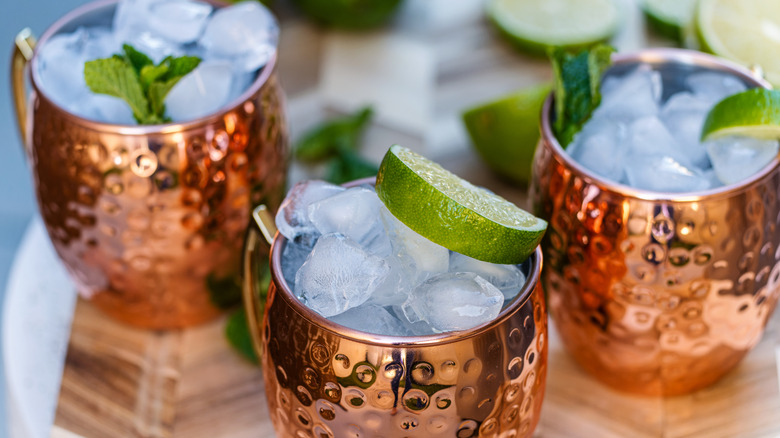
A classic cocktail matches timeless appeal with widespread enjoyment. Sip on a well-made Moscow mule, and the drink's popularity becomes quickly apparent. Ginger beer delivers a touch of spice, lime adds some tanginess, and vodka provides the booze, while the iconic copper mug lends a chilled sensation. The formula has cemented the Moscow mule as a beloved buck cocktail — a drink category defined by the mixing of a spirit with ginger beer and citrus.
The buzz has also spawned a huge array of drink riffs, including the Texas mule. This cocktail evinces the formula's wide-ranging malleability, with the variation itself welcoming several spirits. Versions involve tequila, whiskey, or even Texas-made vodka. Some might flavor the tipple with habanero, while others use peach schnapps. What's important is that the modifications lend the drink a Texan palate, typically through the use of spirits made in the state. It's a widespread regional twist, open to many creative interpretations.
The Moscow mule offers a time-tested foundation
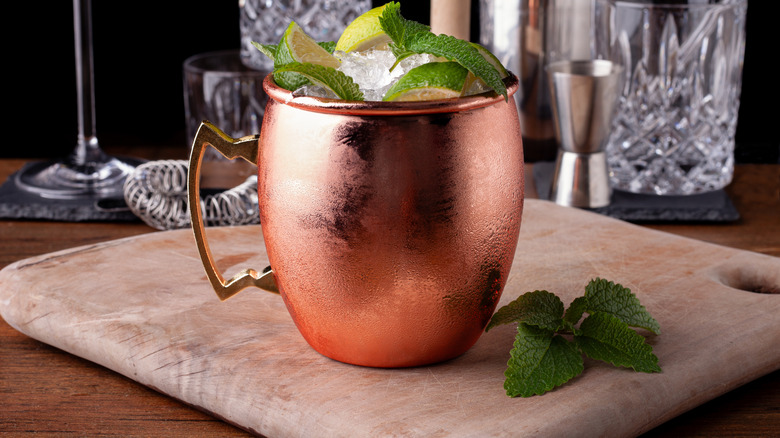
Popularized in 1940s Los Angeles, the Moscow mule emerged as a successful marketing ploy for vodka. Simple to make and even easier to drink, the Moscow mule showcases effective minimalism.
Unlike the spirit-specific Texas mule recipes, essentially any vodka will work in the drink. The quality of the ginger beer makes more of a mark; the mixer should come with enough natural bite to offset the spirit. In both the Moscow and Texan versions, a squeeze of lime ties it all together, with a slice often used as a garnish. The two renditions might use a touch of mint or basil, too.
Yet the Moscow mule's classic formula keeps everything neatly in balance. The drink is not as spirituous as a Texan riff made with whiskey, nor as sweet as a version made with a liqueur. Aptly boozy yet refreshing, the original recipe is a blank canvas. It can be modified into a Kentucky mule, a mezcal mule, or a Texas mule, or enjoyed in its original form.
The Texas mule employs spirits popular in the state
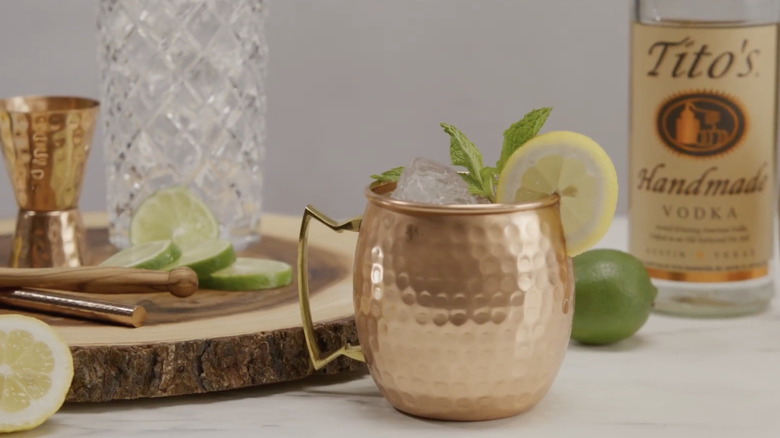
The Texas mule comes as a Moscow mule variation with a Lone Star twang. Like its predecessor, the riff is defined by the use of ginger beer as a mixer. However, the base spirit and further modifiers are malleable, so long as there's a connection to its namesake state. Some might earn the name simply by using a Texas-made vodka like Tito's, which also happens to be the best-selling vodka brand in America. Sip on such a version, and its distinction from the original won't be especially noticeable.
A Texas mule could also use whiskey distilled in the state — an expansive liquor category — thereby establishing a more spirit-forward character. In lieu of vodka's neutral tones, this riff showcases the liquor's grain and barrel tasting notes. Versions welcome either bourbon or other whiskey mash bills. Some might even employ a habanero-infused whiskey. The mule is a great vessel for sampling the state's wide selection of artisan spirits.
Alternatively, a Texas mule can be crafted with another liquor popular in the state: tequila. A high-quality bottle of the agave spirit will imbue the drink with more vibrant vegetal notes than vodka. The liquor meshes well with the lime and ginger, and can be lightly sweetened with an orange liqueur or even peach schnapps. Whether made with whiskey or tequila, the copper mug and garnishes usually remain — it's the boozy ingredients that establish a Texan flair.