

The Unfortunate Things Hiding In Your Spices

Variety is the spice of life, and spices flavor your life — in particular, your food. Imported spices, in particular, are popular (dare we say, essential?) in the U.S., mostly because our domestic agriculture is more focused on crops that have a multitude of uses, like corn, and is less interested in growing spices, which tend to be used for singular purposes. While you can stock up on spices at stores like Trader Joe's, there are some unfortunate things that can come hidden in those little jars. If you've ever opened a little bottle of, say, paprika, and thought you spotted something resembling insect parts among the fine powder, you weren't hallucinating.
That's because according to the Food and Drug Administration (FDA), imported agricultural products are prone to carrying a certain amount of unavoidable natural debris. In fact, the government agency actually maintains an official "Defect Levels Handbook," which you can find online, set up to outline the federally regulated legal limits on these types of "inclusions" to food manufacturers.
And insects, like cigarette beetles and drugstore beetles, are just some of the nasty contaminants that can be found in imported spices. Rodent excrement is another, as is mold, and even hair from a variety of animals. And with those undesirables comes the potential for harmful bacteria that can cause various kinds of food poisoning.
Don't let hidden spice debris ruin your next meal
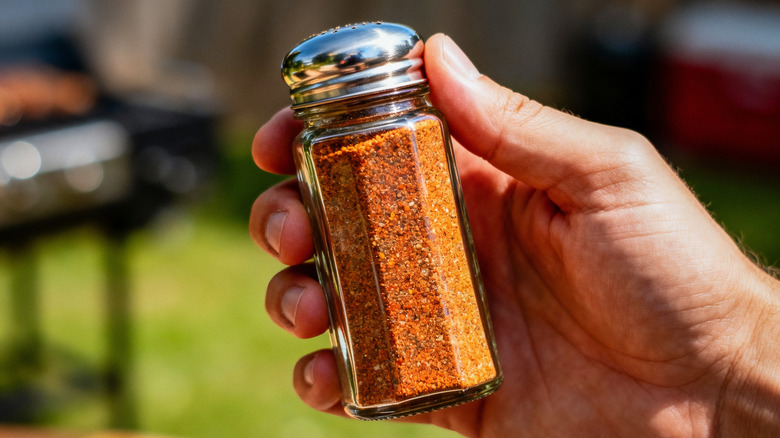
While there isn't much you can do about the legally accepted levels of rodent hair in your spices, you don't have to just lie down and accept that you may one day spot an unexpected bit of debris in your new jar of cinnamon, ginger, or uncommon cooking spice. There is definitely action you can take to mitigate your exposure to these microscopic undesirables. According to the FDA, raw whole spices are actually more likely to arrive at our borders carrying things like twigs, dirt, and debris than cracked or ground ones. Capsicum spices, sesame seeds, and seasoning mixes are the most frequent culprits, so it's important to be extra vigilant before using them.
When it comes to handling potential pests hidden in those packages, a little temperature control goes a long way. That can include sticking them in the freezer for at least three days before opening and using them. The subzero temperature of a freezer can effectively kill off any insects that might be hanging around in your new spice jars. When you do open your spices for the first time, if you're wary of bugs or larger field debris, take a few minutes to look through the sandy contents. If you have a small enough funnel, you could even dump the spices into a bowl to inspect them, then pour them back in. If you're also looking to prevent bugs from entering your spices once they're in your cabinets, make sure they're kept in airtight containers, and be attentive when twisting the lids back on so they're secured tightly.