

How Altitude Affects Denver's Food (And Your Taste Buds) In A Negative Way
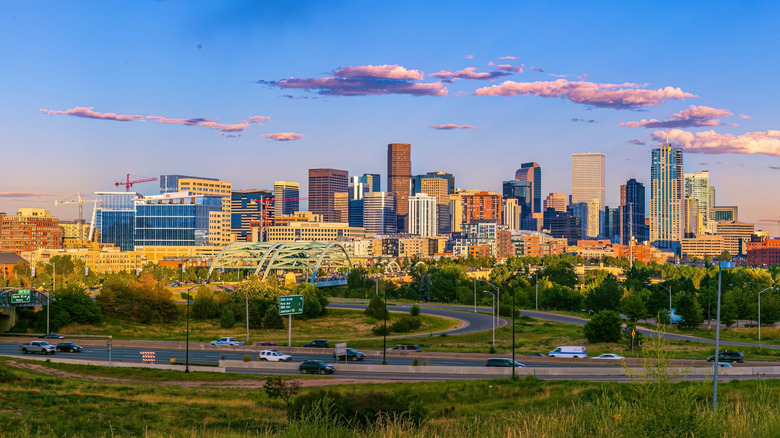
Denver's food scene caters to every taste, from its famous cheesy omelet to more adventurous bites like Rocky Mountain oysters. But one lesser-known detail is that food in Denver can taste slightly less flavorful than it does elsewhere. This is not due to a lack of seasoning or poorly executed technique. The real reason is the city's high altitude, which subtly affects how we perceive flavor.
Denver, known as the Mile High City, sits about 5,280 feet above sea level. The elevation is high enough that some visitors from lower-lying areas even experience mild altitude sickness. Another subtle effect that can catch tourists off guard is how the food tastes. At higher altitudes, sensitivity to sweet and salty flavors can be slightly reduced, which can make dishes seem much less flavorful than expected. A similar effect happens during air travel, where changes in cabin pressure and dry air can dull taste perception as much as 30%. Of course, in Denver, the impact is far less dramatic, but it can still be noticeable enough to make flavors feel slightly muted.
Denver's high altitude also affects cooking in more practical ways. Lower atmospheric pressure means water boils at a lower temperature – at around 202 degrees Fahrenheit instead of 212 degrees Fahrenheit at sea level. That might sound minor, but it can have a big impact in the kitchen. Food will lose moisture faster while taking longer to cook. So without reasonable adjustments, foods won't be as delicious as elsewhere — thankfully, baking remains the same.
How to adjust your cooking to suit higher altitude conditions
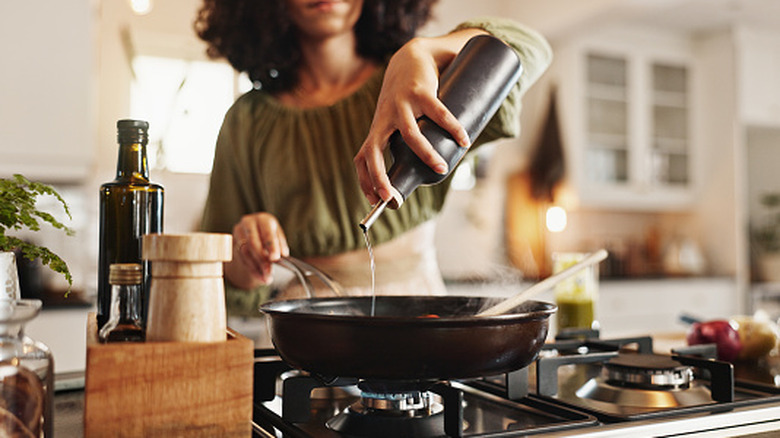
When whipping up a meal in Denver, your tried-and-tested recipes and ingredient ratios might not come out the same. Fortunately, to adjust to higher altitude cooking, a quick fix is to use seasonings with a heavier hand. Because the main flavors affected are sweet and salty, adding a little extra salt and sugar to your dishes can make them taste the same as they would at lower altitudes. If you're conscious about adding too much salt, you could also grab umami-rich seasonings like soy sauce or Worcestershire sauce to infuse your dishes with savory depth.
Another way to adjust flavor is by leaning into aroma. It might sound odd, but our sense of smell accounts for a large part of how we perceive taste. This means that boosting fragrant elements can make a considerable difference to a dish's flavor at higher altitudes. For example, start by building a strong aromatic base: Fry a little extra garlic, onion, or ginger, then layer in herbs and spices to carry that fragrance through the dish.
Because meat can dry out faster at higher altitudes, a few small adjustments can help keep it tender and juicy. Marinating it beforehand with an acid like citrus or vinegar will break down muscle fibers, improving tenderness, while adding salt will help the meat hold onto moisture during cooking. It also helps to add a splash of water or stock to the pan and cook with a lid on. This creates a more humid environment that slows moisture loss. Since cooking can take longer at altitude, using a slightly lower temperature gives the meat time to cook without drying out or burning on the outside.