

Why Potato Peels Are One Of The Worst Things For Your Garbage Disposal
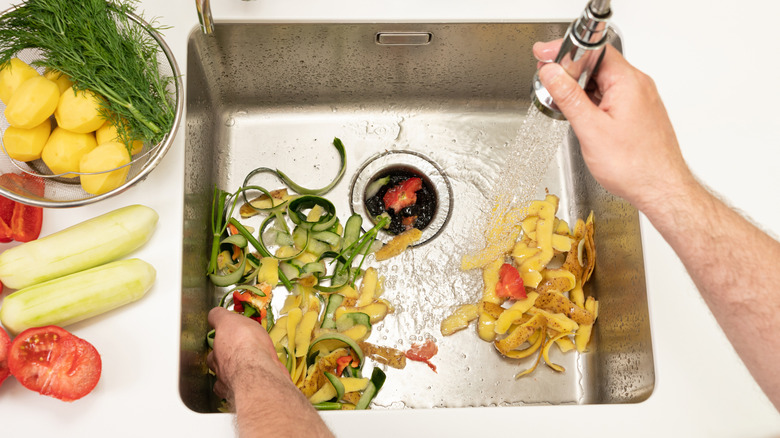
Garbage disposals are a handy modern convenience, enabling quick eradication of food waste. But there are some things that simply shouldn't be put down the drain and processed by your disposal system. Among them, potato peels are one of the worst things you can feed into your sink. For the 411 on why this tuber's peelings are an absolute no-no for your garbage disposal, Food Republic reached out to Megan Doser, owner and CEO at Doctor Fix It Plumbing, Heating, Cooling & Electric.
Peeling potatoes can be a messy job, making it tempting to simply complete the task over the sink and rinse the peelings away. But doing so is far from harmless for your plumbing system. "Potato peels are rich in starch[,] and when [a] disposal grinds them, it mixes with other scraps and creates a viscous, sticky mess that can't move down the line entirely and traps other debris, building up more and more and eventually clogging the line," Doser cautioned. "But the fibrous structure alone is enough to make troubles." While the flesh of a potato contains soluble fiber, meaning it dissolves in water, the skins of potatoes have insoluble fiber, which do not dissolve in liquid but remain more or less intact. Just as insoluble fiber isn't dissolved by the body, it is similarly unaffected by the water in your home's plumbing system.
Additionally, fibrous potato peelings can become wrapped around a garbage disposal's impellers, Doser explained, preventing the peels from being finely ground up by the disposal. Thin peelings can also slip through the grinding system altogether, remaining completely intact. Either situation can create a blockage in the sink trap and end up clogging your plumbing.
Other waste that should not go into your garbage disposal
Many types of food debris can enter your garbage disposal with no issue, and some are even beneficial. For instance, putting pieces of fresh lemon down your disposal — minus the seeds — is a natural way to clean in your kitchen. But, like potato skins, various other organic waste items need to be eradicated in alternate ways — not via your disposal. Like potato peelings, the majority of fruit and vegetable skins fall into this category. "Most vegetable and fruit peels are both fibrous and starchy, and that combination makes them some of the worst things you can send through a garbage disposal," Megan Doser warned. "Potato peel, onion skins, pumpkin strings, fibrous greens, squash peels, celery, and banana peels are especially risky."
Another common type of kitchen waste that is similarly dangerous to send down the drain is coffee grounds. "Coffee grounds are like a cement that turns into heavy sludge when mixed with water — over time, that creates concrete-like clogs that are hard to break," Doser explained.
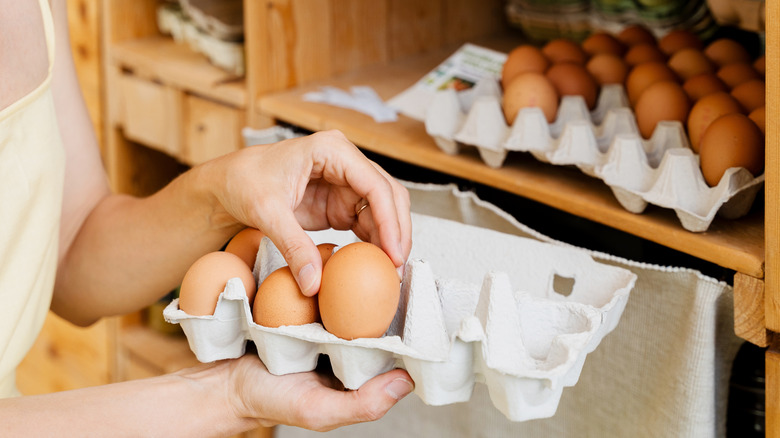
Some other no-go disposal feeders include oil and grease, which can solidify downstream and cause sewer obstructions and overflowing. Hard waste, like seeds and bones, should also be kept out of the disposal, as its grinding elements can't break them down. Water-retaining food items, like uncooked rice and noodles, are also too hard for the disposal to grind, and they can expand in the moist environment and form clogs. Eggshells are also not safe to put down the disposal, contrary to popular belief. Similar to fibrous potato skins, eggs have membranes inside the shell that can get stuck in the disposal's impellers.
So, how should you dispose of potato skins and other non-disposal-safe waste?
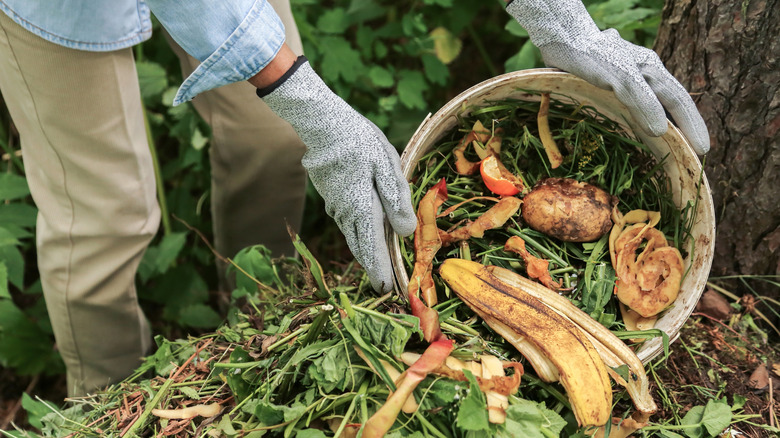
For potato skins specifically, Megan Doser advises disposal via compost or garbage cans. "It's best not to use your garbage disposal for potato peels at all," she recommended. "The problem isn't the disposal — it can grind them. The problem is that gummy paste that sits in the P-trap or further down the line and traps other food particles, turning into a big hard clog over time. Running water hot, dumping too much of the potato peels at once, and not running enough cold water only make things worse."
On that subject, many believe running hot water into the sink is best when operating a garbage disposal, but that is simply not true. Hot tap water can make the oils and other fats in your food waste congeal and stick in the garbage disposal's components, which can potentially affect the system's motor because it has to work harder with that residue adhering to it. High-temp water can also cause certain kinds of food waste to melt, further causing potential build-up and clogs. Only cold water should flow from your faucet while the disposal is operating, moving food debris properly through the trap.
Like potato skins, other waste that isn't disposal-safe should similarly be thrown out in the household garbage, composted, or disposed of via animal slop if you have farm creatures. Some cities have community composting programs, and there are also commercial organizations that offer curbside pickup of compostable waste. If your community has these services, food waste can be disposed of in that way, as well.