

Did Colgate Really Sell Frozen Lasagna In The '60s?
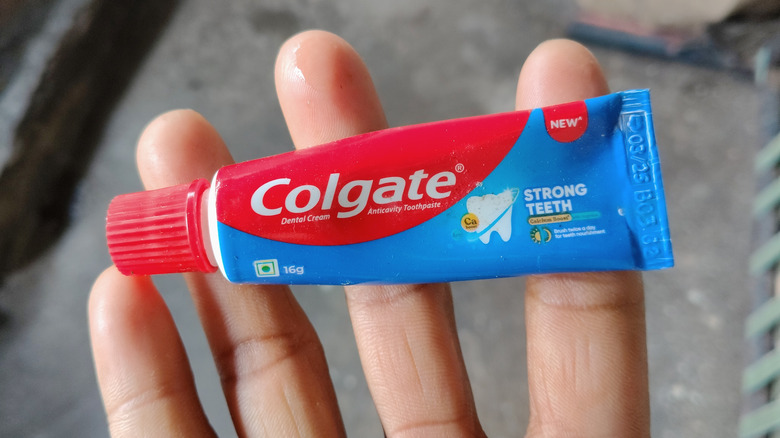
When it comes to using Colgate to clean our teeth after eating, we consumers are fully on board (and we have been since the brand introduced its first toothpaste product in 1873). But having Colgate prepare the food we eat before brushing? Mm ... maybe not so much. Still, rumors abound that the 200-plus-year-old hygiene and household products company once attempted just that. Specifically, Colgate is said to have unsuccessfully launched a frozen lasagna in the 1960s.
There are many discontinued frozen entrees we'll likely never taste again — but did anybody ever try the alleged Colgate Beef Lasagna in the first place? In other words, did it really exist? Colgate certainly doesn't claim this purported black sheep of the brand family. There's no mention of lasagna — frozen or otherwise — on the historical timeline page of the company's website. What's more, Colgate's legal team has also outright denied any knowledge that such a product ever existed. It definitely isn't an obvious combination — after all, of the many ingredients a good lasagna should contain, toothpaste definitely isn't one of them.
Nevertheless, various internet posts continue to grind the rumor mill about the personal care giant's supposed foray into frozen foods. So, what's the truth? In this case, Colgate is probably being honest — while companies sometimes "forget" their failures, the lasagna is almost certainly just a creative reconstruction that became an urban legend.
Fact and fiction blur regarding Colgate's alleged frozen dinner line
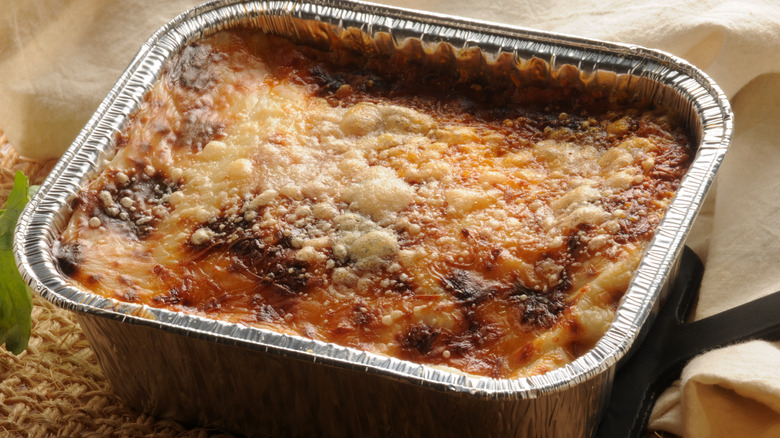
One source at the core of the controversy is the Museum of Failure, a Sweden-born, international traveling exhibit that showcases notable failures in history. One post from the museum depicts an image of Colgate Beef Lasagna product packaging, though the site notes the image was fabricated using "a good measure of artistic freedom."
Interestingly, while the lasagna photo was falsified, the rest of the information listed in the post seems to be accurate — namely, that Colgate attempted to enter the frozen foods industry in the 1960s with a product line called Colgate Kitchen, which included entrees featuring dried chicken and crab meat. This was documented in news pieces at the time, including a 1966 issue of Television Age magazine that did a deep dive on Colgate-Palmolive, the company's then-corporate name. The report detailed that Colgate had long been striving to enter the lucrative convenience foods marketplace, and the short-lived, 1960s-era frozen entrees endeavor was part of that.
In addition to the failed chicken and crab meals, the Television Age article mentioned that Colgate had "one or two other food items in various stages." So, it's technically possible — though certainly unsubstantiated — that a TV dinner-type lasagna could have been among them. Additionally, other reports stated that five Colgate Kitchen products in all were tested in 1964 in Madison, Wisconsin, but went no further than that limited test marketing and were never offered in the general consumer marketplace.
Colgate's food ambitions often fell short of its hygiene success
It seems Colgate just wasn't meant to be a foods purveyor. In the company's longstanding efforts to foray into that market, it reportedly once had mergers in the works with both Hershey and Kraft Foods. Each fell through, though, with the stock market crash of 1929 and the advent of the Great Depression.
At the same time that Colgate was test-marketing a frozen foods brand in the 1960s, the company was also rumored to be exploring an apple chip product called Snapples (not to be confused with Snapple, the tea and juice brand). Historical evidence for the snack venture is scarce, and it obviously didn't get off the ground, either — though the concept might have fared better as a tie-in with a toothpaste company than frozen entrees (an apple a day keeps the dentist away, etc.).
Colgate did, however, successfully launch some specialty foods operations in France and Italy at one point (per Television Age). That seems not to have endured, though — as of 2026, the company's European division mimics its American operations, largely offering hygiene, home, and personal care products. Despite its name, Colgate's European brand Soupline has nothing to do with soup — it's a line of fabric softeners.
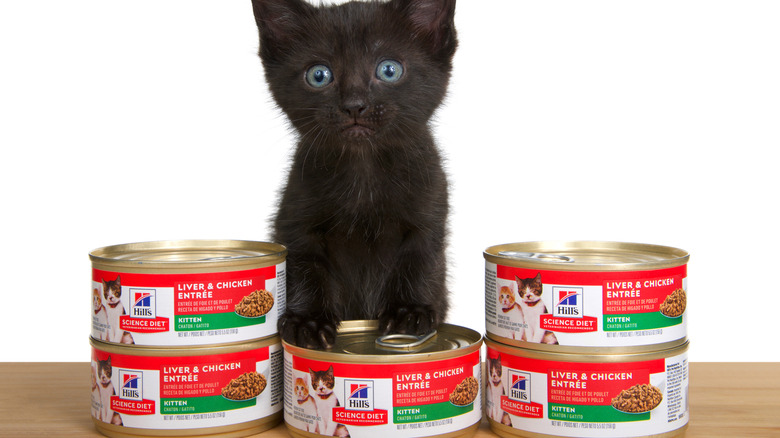
While Colgate still has not, as of 2026, succeeded in branching into human foods, it has found success in the pet food arena. Hill's Pet Nutrition is one of the primary brands of Colgate-Palmolive, starting out in the 1930s with a prescription diet dog food, and now offering a variety of products for both dogs and cats.