

What Causes Brain Freeze?
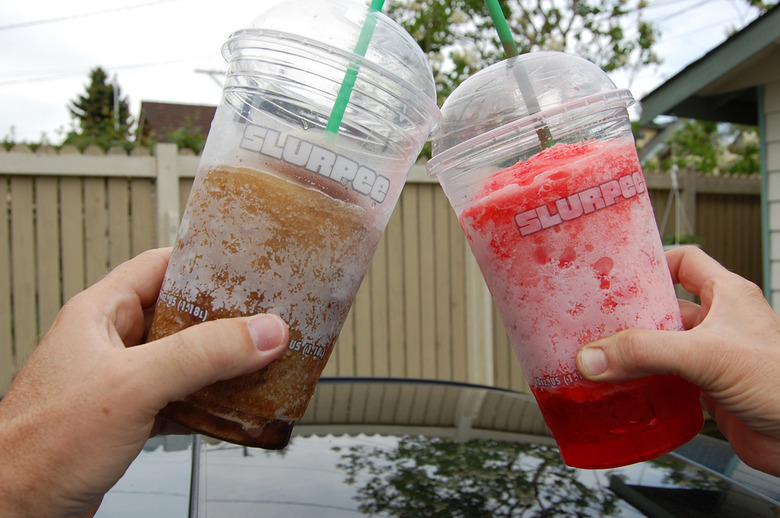
What is brain freeze?
Also known as sphenopalatine ganglioneuralgia, brain freeze is the pain you feel when you consume chilled food or beverage like ice cream or cold beer fresh out of the freezer or fridge. Though the symptoms are short-lived, they're harsh enough to prevent a repeat.
What causes it?
When a cold food or beverage touches the roof of the mouth, the blood vessels constrict — or shrink. Almost immediately, the tiny vessels begin to dilate (expand) again, allowing blood to rush back in an attempt to warm up your mouth — akin to when your cheeks turn a rosy hue after spending a prolonged amount of time outside in the winter. The "headache" that follows is triggered when the pain receptors in your mouth signal your brain using the nerves in your face. The result: pain in your forehead, or as most proclaim, "Ahh, brain freeze!"
Any lasting side effects?
"Face-scrunching" is the only known side effect, but it usually wears off after a few seconds.
Any other questions? Ask the Food Scientist in the comments