
What Is Agave Nectar?
Agave: from the spiky plant to your cup of tea
Ever heard of high-fructose agave nectar? That's cause it doesn't exist. Agave nectar broke out on the food trend scene several years ago as a natural alternative to processed sweeteners and it's plenty fructose-ey on its own. Plus, it comes from the same place as our beloved tequila. Here's how agave nectar differs from its margarita-loving cousin.
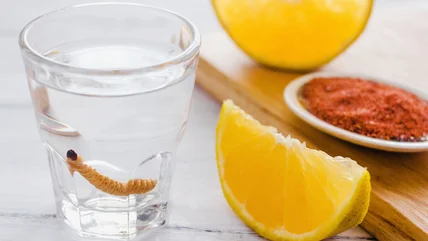
Once a blue agave plant reaches maturity, about 10 years (that's how long it takes to develop its sugars), its leaves are removed and its heart, or piña, is pressed for liquid. The liquid is heated to separate the sugars, which are then concentrated into a thin syrup — agave nectar. If the agave plants are juiced and allowed to ferment rather than reducing them into nectar, you're just one distillation away from tequila.
Even though it's much lower on the glycemic index (characteristic of fructose-based sweeteners) agave nectar is actually sweeter than white sugar — about 1.5 times more. All this means is you simply need to use less of it, an important thing to keep in mind when using fructose-based sweeteners in general.
More Whatchamacallit on Food Republic:
Food Republic Newsletter
May is
Food Republic's
Grilling Month
Throughout May we will be offering wall-to-wall grilling coverage including grilling tips, gear advice and interviews with immortal Grilling Gods.
Grilling Month Giveaway
All month we're giving away an amazing lineup of grilling-related items. Come back every few days to enter and win.
Enter the Contest »