

Gallery: 5 Controversial Food Laws
Changes in food policy don't always go down easy
When the government becomes involved in Americans' health choices, specifically their food choices, it’s never an easy battle. Food legislation provokes fierce reactions from people on both sides of the issue. Usually it breaks down like this: Those for the law (say taxing unhealthy food) will point out the health benefits and will cite America’s growing obesity problem. Those against will inevitably cry “nanny-state.”
A good example is Mark Bittman’s recent article for The New York Times, “Bad Food? Tax It, and Subsidize Vegetables” and this semi-satirical response from a writer at The Economist, “Tax the Fat, Not Their Food.” Bittman says it’s the Federal Government’s responsibility to address public health, while the article from The Economist likens taxing American’s diet to taxing American’s sex lives.
With these contrasting opinions in mind, we decided to look into what food and health measures are fueling debate right now in the US, along with a bonus bacon issue from the UK. Like President Obama says, "Eat your peas."
01. Minnesota’s Trespassing Pesticides
Organic farmers Oluf and Debra Johnson filed a lawsuit against the Paynesville Farmers Union Cooperative Oil Co., stating that unwanted pesticides had drifted onto their fields. This past Monday, the Minnesota Court of Appeals ruled that in some instances, pesticide drift can count as trespassing. Evidently, this is the first time a pesticide trespassing accusation has come to court, but it adds a whole new aspect to the organic vs. industrial farming debate, and we get the feeling that this issue will now, um, begin to spread.
02. Arizona’s Ban Against the “Happy Meal Ban”
Last year, San Francisco passed a law that banned restaurants from including toys in meals that are over a defined limit of fat, sugar and calories (e.g. The Happy Meal). Arizona, wanting no part of this movement to deprive children of their grease-laden toys, quickly passed a law that prohibited its localities from adopting a ban on toys like San Francisco's. Steve Chucri, a member of the Arizona Restaurant Association, defended Arizona’s move and individual rights saying, "Let's go back to personal responsibility. I have two kids that love kids' meals, and we all have managed to moderate what we eat.” You can practically hear the collective sigh of nutritionists everywhere. Meanwhile, kids in Arizona are just happy they don't live in toyless San Francisco.
03. The “Cheeseburger Bill”
Minnesota’s second appearance on this list has to do with the “Personal Responsibility in Food Consumption Act” (a.k.a. the "Cheeseburger Bill”). This bill proposed preventing obese customers from suing fast food chains for causing them to gain weight. The bill sounds reasonable, especially with all of the talk about personal responsibility when it comes to food (see Arizona’s ban against the Happy Meal Ban), but Minnesota wasn’t quite ready to displace the blame from the food chains. The bill was vetoed last May, so fast food frequenters can keep chowing down at their favorite spots and then turn around and sue the chain when they become overweight (in theory at least).
04. The EU’s Bacon Ruling
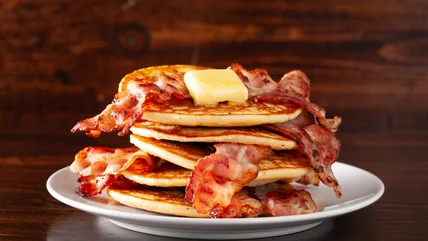
Americans aren't the only ones sometimes at odds with food regulations. The British fight to keep the status quo, too (in their own understated way). Last week, the EU announced that it plans to change the label requirements on packages of bacon to read “water added” if water makes up 5% or more of the bacon (the current standard is 10%). UK retailers fear that this ruling will affect them the most since the British love bacon a lot more than their fellow Europeans do. Almost all bacon sold in the UK contains more than 5% water already, but purveyors are worried that consumers will think the newly labeled bacon is in fact a different product. A reporter from the Yorkshire Post lamented the proposed change, calling bacon, “one of our nation’s favourite foods.”
05. Mayor Bloomberg’s War Against Salt
He won the war over cigarettes, so Mayor Michael R. Bloomberg set his sights upon the city’s next enemy: salt. Bloomberg is hoping to reduce New Yorkers' sodium intake by 50% and he’s doing so by targeting restaurants and packaged-food producers. Additionally, graphic posters went up around New York last fall warning residents that too much salt could lead to a heart attack or stroke. As one might expect, restaurant owners, processed food producers, and consumers alike are indignant at the thought of the city controlling the way their food is prepared — even if the goal is improved health. As if the suggestion that restaurants cut back on the salt weren’t enough to outrage New Yorkers, new studies are being released that question if salt is really as unhealthy as Mayor Mike is making it out to be. Regardless, the Bloomberg administration has said it will not back off the campaign. And the salt war rages on…
More Galleries
Food Republic Newsletter
May is
Food Republic's
Grilling Month
Throughout May we will be offering wall-to-wall grilling coverage including grilling tips, gear advice and interviews with immortal Grilling Gods.
Grilling Month Giveaway
All month we're giving away an amazing lineup of grilling-related items. Come back every few days to enter and win.
Enter the Contest »


Check Out These 8 Realistic-Looking Photos Of Food Chopped In Half
25 Killer Side Dishes For Memorial Day Weekend
17 Burger Recipes For This Big Grilling Weekend
10 Cocktails For Drinking Outside This Memorial Day Weekend
11 Extreme Diets That Will Help You Lose Weight, Possibly Kill You
Our 12 Most Popular Stories This Week