

What is Umami (and does it exist)?
Jul 15, 2011 10:46 am
The Food Scientist answers vexing food questions
Tweet
Have you every eaten something only to have a hard time describing the taste? What you may have been unable to describe is umami. Biologically speaking, your taste buds are equipped to experience four basic flavors: sweet, salty, sour and bitter. After many years of eating and research, scientists (and chefs) now add umami — the almost mythical fifth taste of glutamates and nucleotides — as the mysterious fifth taste.
Where did umami come from?
Obviously, it didn’t come from anywhere — it’s always been here, and people have always tasted it, without the slightest recognition. It wasn’t until the late 19th century that someone tried to describe umami. That person was Japanese chemist and food lover Kikunae Ikeda. When foods age, like cheese, or when meat begins to cook under the heat of an open flame, the proteins within undergo a molecular change. In this process, the proteins are completely broken apart into various units, one of which is a molecule called L-glutamate — the singular molecule responsible for umami. Similar to the other four basic tastes, umami is sensed when L-glutamate binds to specific receptors on your tongue, causing a chain reaction of chemical processes resulting in taste. We owe you one, Ikeda.
What does umami taste like?
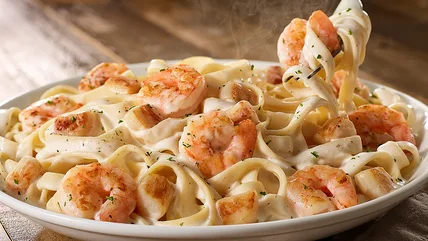
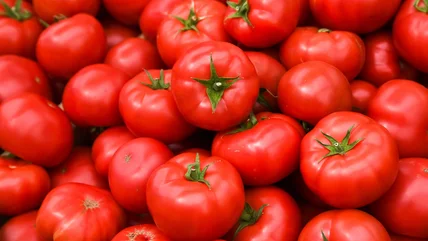
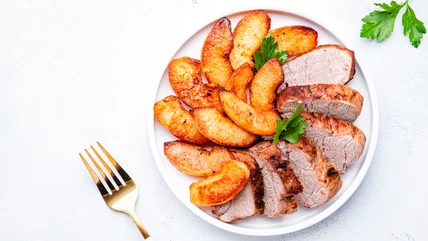
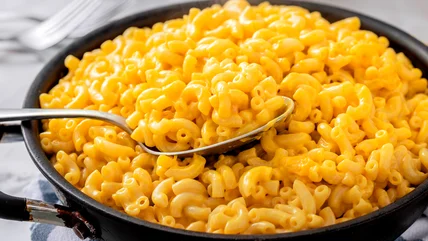
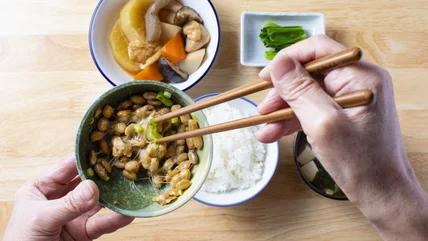
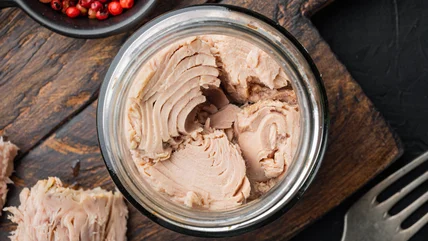
The literal translation of the Japanese term means “pleasant, savory taste” or “yummy,” but that hardly gives you much to go on. Let’s put it into terms you can understand. Think fatty meats like steak. Think seafood. Think aged cheese — all carry the signature of umami, and the list doesn’t end there. Lesser known umami-containing foods include such things as tomatoes, beets, corn and soybeans. Go on, let your tongue's imagination run wild.
More from the Food Scientist:
Obviously, it didn’t come from anywhere — it’s always been here, and people have always tasted it, without the slightest recognition. It wasn’t until the late 19th century that someone tried to describe umami. That person was Japanese chemist and food lover Kikunae Ikeda. When foods age, like cheese, or when meat begins to cook under the heat of an open flame, the proteins within undergo a molecular change. In this process, the proteins are completely broken apart into various units, one of which is a molecule called L-glutamate — the singular molecule responsible for umami. Similar to the other four basic tastes, umami is sensed when L-glutamate binds to specific receptors on your tongue, causing a chain reaction of chemical processes resulting in taste. We owe you one, Ikeda.
What does umami taste like?
The literal translation of the Japanese term means “pleasant, savory taste” or “yummy,” but that hardly gives you much to go on. Let’s put it into terms you can understand. Think fatty meats like steak. Think seafood. Think aged cheese — all carry the signature of umami, and the list doesn’t end there. Lesser known umami-containing foods include such things as tomatoes, beets, corn and soybeans. Go on, let your tongue's imagination run wild.
More from the Food Scientist:
Food Republic Newsletter
ADVERTISEMENT
May is
Food Republic's
Grilling Month
Throughout May we will be offering wall-to-wall grilling coverage including grilling tips, gear advice and interviews with immortal Grilling Gods.
Grilling Month Giveaway
All month we're giving away an amazing lineup of grilling-related items. Come back every few days to enter and win.
Enter the Contest »
Cut Food, an art project that's heavy on gelatin
Now if only we could translate the dang website
Find great food in Virginia's (culinary) capital
The botanical-driven spirit is being reinvented
Alcohol, check. Chocolate, check. Life is good.
11 countries, one common and painful problem
Vietnamese noodle soup, it’s what’s for breakfast
Fun Guinness facts straight from the tap. Sláinte!
ADVERTISEMENT